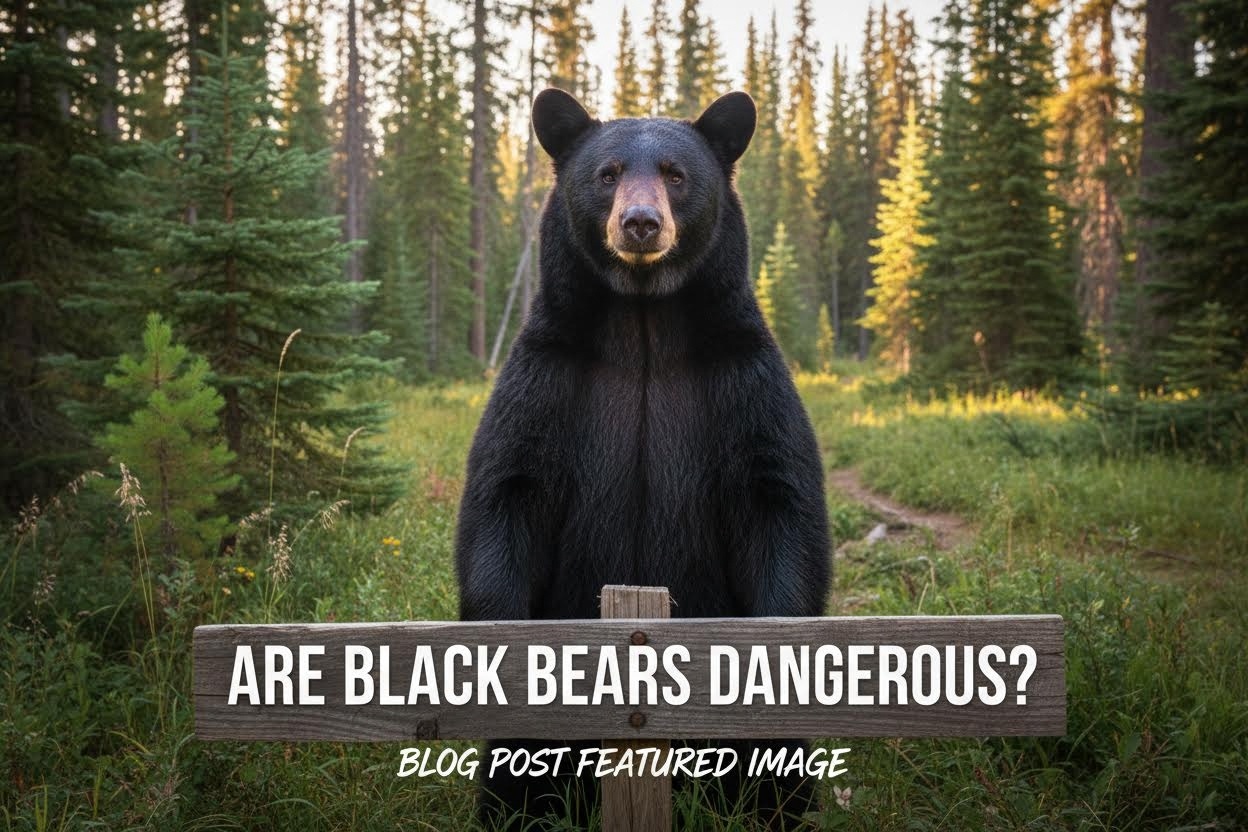
TLDR: Black bears are generally timid animals that pose minimal threat to humans. While they’re large and powerful, attacks are extremely rare—your chances of being killed by a black bear are far less than being struck by lightning. Understanding black bear behavior, knowing what to do if you encounter a black bear, and taking basic precautions can make sharing bear country completely safe. This article explains the real risks, debunks common myths, and provides practical guidance for staying safe around the most common bear species in North America.
What Makes Black Bears Less Dangerous Than You Think?
The American Black Bear has earned an undeserved reputation as a fearsome predator. The reality paints a very different picture. Black bears are remarkably timid compared to other bear species. They evolved alongside powerful predators like saber-toothed cats and dire wolves. Their survival strategy? Run first, ask questions later.
This evolutionary history created the cautious black bear we know today. When a black bear senses danger, its first instinct is escape. Unlike grizzly bears or brown bears, black bears lack the aggressive defensive behaviors that make other species more dangerous. They climb trees to avoid threats rather than stand their ground. This fundamental difference in bear behavior makes living with black bears much safer than many people realize.
The black bear population in North America is about 750,000. However, fatal bear attacks are very rare. Since 1900, black bears have caused the death of only 61 people on the entire continent. You are 60,000 times more likely to be murdered than to be killed by a black bear. Lightning strikes, bee stings, and domestic dogs all present a higher statistical risk.
Do Black Bears Usually Attack Humans?
No, attacks by black bears are very uncommon. Most encounters with black bears end with the bear running away as soon as it realizes you are there. Bears usually are not aggressive toward people. When they do show aggression, it is generally defensive behavior instead of a desire to hunt.
Black bears lack the territorial aggression common in other wild animals. They don’t view humans as prey under normal circumstances. When a black bear approaches people, it’s almost always searching for a food source, not looking to attack. Bird feeders, garbage cans, and human food attract bears to residential areas far more than any interest in people themselves.

Minnesota serves as an excellent case study. Despite thousands of yearly encounters between black bears and outdoor enthusiasts, there have been zero fatal bear attacks in the state’s recorded history. Since 1987, only eight unprovoked attacks resulted in hospitalization, and all victims fully recovered. These statistics demonstrate that even in areas with healthy black bear populations, serious incidents remain remarkably uncommon.
The National Park Service reports similar patterns across bear country. Most injuries from these defensive reactions are usually minor—scratches and bruises rather than life-threatening wounds. A bear may charge as a bluff to scare you away, but actual physical contact rarely occurs. Bears are most active during dawn and dusk, yet hikers regularly traverse trails during these hours without incident.
Understanding Black Bear Behavior and Body Language
Black bears communicate their feelings through distinct behaviors. Learning to read these signals keeps you safe during a bear encounter. When nervous, a black bear might clack its jaw, swat the ground, or make blowing sounds. These aggressive displays by black bears are merely rituals performed when they’re anxious—not warnings of imminent attack.
A bluff charge looks terrifying but serves as communication, not combat. The bear is essentially saying “You’re too close, please leave.” Aggressive behavior from black bears typically signals fear rather than predation. Black bear claws are strong for climbing trees but not sharp for holding prey, unlike grizzly bear traits designed for digging and fighting.
Mother black bear defending her cubs behaves differently than popular belief suggests. Defense of cubs is more a grizzly bear trait than a black bear characteristic. There’s no record of anyone being killed by a mother black defending her cubs. Researchers routinely capture black bear cubs in the presence of mothers without being attacked. This stark contrast with grizzly bears highlights the fundamental behavioral differences between bear species.
A startled black bear will usually flee up the nearest tree. They possess an excellent sense of smell that typically alerts bears to your presence long before visual contact occurs. This early warning system means most bears avoid you entirely. When you do see a bear, its body language reveals its intentions immediately.
Which Bear Is Most Dangerous?
The grizzly bear poses a significantly greater threat than the black bear. Grizzly bears are over 20 times more dangerous when comparing attack frequencies and outcomes. This massive difference stems from fundamental behavioral variations between the two species.
A shoulder hump distinguishes grizzly bears from black bears physically. But behavioral differences matter more for safety. Startled grizzlies may charge and occasionally attack, while startled black bears typically run away. A grizzly bear’s defensive reaction to perceived threats creates dangerous situations. They’re more likely to attack because it senses a threat to their territory or cubs.
The brown bear—essentially the same species as grizzlies in North America—shares these aggressive defensive traits. Both lack the fear of humans that makes black bears so cautious. Where black bears evolved as the smallest omnivore in a landscape of mega-predators, grizzly bears developed as apex predators themselves.
In contrast, bold bears of the black variety remain comparatively manageable. Even black bears that regularly interact with humans at campgrounds rarely become dangerous bears. They might lose their natural fear of people while pursuing food, but they maintain their fundamental timidity toward humans. Male bears may become bolder during mating season or when defending a food or garbage source, yet they still lack the inherent aggression that makes grizzlies so risky.
The Alarming Rise of Asiatic Black Bear Attacks in Japan
While North American black bears maintain their low attack rates, Japan faces an unprecedented crisis with Asiatic black bears. The 2025 surge has shattered all previous records. As of late November, 235 bear attacks killed 13 people across Japan—both figures representing the highest totals since recordkeeping began in 2006.
Climate change and habitat loss drive this dramatic increase. A shortage of tree nuts and other staples of bears’ diets forces them from forests into residential areas. Japan’s aging, shrinking rural population leaves fewer people to scare off encroaching bears. The Asiatic black bear in Japan now ventures into supermarkets, hotels, and residential neighborhoods with alarming frequency.
Akita Prefecture experiences the worst impact. Kindergartens close playgrounds when bears appear nearby. Schools employ patrols with firecrackers and radios playing human voices. One baker survived a two-minute attack that fractured his skull and left permanent injuries. The crisis prompted the U.S. Embassy to issue a rare wildlife alert for Americans in Japan.
The situation highlights how environmental factors influence bear behavior across all species. When natural food sources become scarce, bears may cause property damage and even attack humans searching for alternative sustenance. Researchers emphasize that coexistence requires both population management and habitat protection. The Japanese experience serves as a warning about what happens when the balance between humans and wildlife degrades severely.
Can A Human Survive A Black Bear Attack?
Yes, humans regularly survive encounters where black bears become aggressive. The key difference between defensive reactions and predatory attacks determines survival strategies. Most attacks are defensive—the bear wants you gone, not dead. These incidents result in minor injuries at worst.
However, the rare predatory attack demands a completely different response. If you’re attacked by a black bear that views you as prey, you must fight for your life. Do not play dead—that strategy works with grizzlies, not black bears. Kick, punch, and hit the bear with whatever weapon is available. Concentrate on the face, eyes and nose. Use rocks, sticks, or any object within reach.
Carrying bear spray dramatically improves your chances during any aggressive bear situation. Pepper spray designed specifically for bears works more effectively than firearms. A wounded bear may charge and continue attacking. A sprayed bear experiences immediate pain and typically retreats. The spray causes temporary discomfort but no permanent injury to the bear in North America or elsewhere.
Real-world examples confirm survival is likely. In documented attacks where victims fought back aggressively, survival rates approach 100%. The injuries sustained—while sometimes serious—rarely prove fatal. Electric fencing protects homes and camps in areas where bear proof measures become necessary. Proper food storage eliminates most reasons bears approach humans in the first place.
What To Do If A Black Bear Approaches You?
Stay calm. Do not run. Running triggers a chase response in most wild animals, even though black bears aren’t naturally aggressive toward people. Back away slowly while keeping the bear in sight. Make your presence known by talking in a firm, calm voice. This alerts bears to your presence without startling them.
If the bear continues approaching, change tactics immediately. Act aggressively. Wave your arms, yell loudly, and make yourself appear larger. Throw rocks or sticks in the bear’s direction. Make loud noises by banging pots, clapping, or shouting. Most bears will turn and leave when confronted with bold, aggressive human behavior.
Use bear spray if you’re carrying it. Remove the safety when you first see a bear. If the bear closes to within 15-30 feet, deploy a two-second burst aimed at its face. Don’t wait until the last moment. Bears are rarely aggressive when sprayed—they simply want the pain to stop. If the bear charges, spray directly into its eyes and face. Once the bear leaves, exit the area quickly but don’t run.
Do not climb trees. Black bears excel at climbing. A cornered bear in a tree poses greater danger than one on the ground. Instead, back away and give the bear a clear escape route. Bears want to avoid confrontation as much as you do. If you encounter a bear with cubs, move away especially carefully. Though mother bears aren’t as protective as grizzlies, a cub is more a grizzly concern, and you still want to avoid any situation where a mother might feel threatened.
Preventing Bear Encounters: Living Safely in Bear Country
Prevention beats intervention every time. Most bear encounters happen because humans inadvertently attract bears to their property. Removing attractants eliminates almost all bear-human conflicts. Secure your garbage in bear-resistant containers or inside buildings. Take down bird feeders from late March or early April through November when bears are most active.
Never feed bears intentionally or allow them to access human food. A fed bear becomes a dead bear. Once black bears associate humans with food, their fear of people diminishes. They become bold bears that approach homes and campsites aggressively. Authorities must often remove or euthanize these animals. What seems like harmless feeding ultimately harms the bear.
At campsites, practice proper food storage. Keep all food, toiletries, and scented items in bear-resistant containers or hung at least 10 feet high and 4 feet from tree trunks. Cook and eat away from where you sleep. Clean up thoroughly after meals. These simple steps prevent most campground bear problems.
Make noise while hiking to alert bears to your presence before close encounters develop. Clap, talk loudly, or wear bear bells. Travel in groups when possible—larger groups rarely experience problems. Stay on maintained trails. Don’t get too close if you spot a bear at a safe distance. Give wildlife the space they need. Hikers should always stay safe by maintaining awareness rather than relying solely on luck.
Recognizing the Signs of a Dangerous Situation
Most bear encounters involve curious or food-motivated animals, not dangerous aggressive bears. Understanding the difference saves lives. A bear investigating a food source will focus on the food, not you. It might ignore your presence entirely while raiding a cooler or garbage can. These situations remain manageable through bold, assertive behavior.
However, certain behaviors signal genuine danger. A bear that follows you despite aggressive posturing may view you as prey. This is extraordinarily rare but demands immediate defensive action. A bear that approaches at night behaves abnormally—black bears typically avoid nighttime encounters with humans. Any bear that senses you are afraid might become bolder, though they won’t necessarily attack.
Watch for persistent approach despite deterrence attempts. If making yourself appear large, yelling, throwing objects, and using bear spray don’t stop the bear’s advance, prepare to fight. A bear that doesn’t respond to multiple deterrence efforts may be ill, injured, or exhibiting predatory behavior. These rare situations require maximum aggression on your part.
Pay attention to cubs nearby. Though defense of cubs is more a grizzly trait, never position yourself between a mother and her offspring. If cubs climb a tree, stay well back. The mother likely watches from nearby. Injuries from these defensive reactions are usually minor if you retreat immediately, but why risk even minor injuries when prevention is simple?
Understanding Bear Biology and Seasonal Behavior
Black bears aren’t dangerous year-round, and understanding their seasonal patterns helps you avoid problems. In late March or early April, black bears emerge from hibernation desperately hungry. They’ve lost 30% of their body weight and need calories urgently. This makes them more likely to investigate human-associated food sources.
Spring bears focus primarily on emerging vegetation and carrion. A food source like winter-killed deer keeps them occupied and away from human areas. As summer progresses, berries become crucial. Berry patches can concentrate bears and humans in the same locations. Make noise in berry country to prevent surprise encounters. Bears rarely attack if given warning of your presence.
Fall triggers hyperphagia—excessive eating to prepare for hibernation. Bears may eat 20,000 calories daily during this period. They become less cautious about human presence when focused on feeding. Nut crops, fruit trees, and agricultural fields attract multiple bears. A failing natural food crop increases conflicts as bears seek alternatives. Bird feeders and garbage become major attractants during poor natural food years.
Understanding seasonal patterns lets you adjust precautions accordingly. Spring and fall require extra vigilance about food storage and attractants. Summer brings more backcountry encounters as both people and bears range widely. Winter provides true safety in most areas as black bears hibernate. This seasonal variation in risk lets you calibrate your approach to encounter a bear based on time of year.
The Role of Education in Bear Safety
Fear of humans keeps black bears safe. Ironically, it also keeps humans safe. When black bears maintain their natural wariness, conflicts remain rare. Education ensures both species coexist peacefully. Understanding that black bears are dangerous is a myth helps people react appropriately rather than panicking.
Many fatal bear attacks result from people not knowing how to respond correctly. Running away triggers a chase response. Playing dead with a black bear (appropriate for grizzlies) signals you’re vulnerable. Acting afraid encourages bold behavior. These mistakes stem from misinformation and fear rather than understanding actual bear behavior.
Communities in bear country increasingly embrace education over eradication. The chances of being killed by a black bear are so low that learning to coexist makes more sense than attempting elimination. Programs teaching proper food storage, attractant removal, and encounter response dramatically reduce conflicts. When people know what to do if a black bear approaches, injuries plummet.
Conservation depends on this educational foundation. As human development expands into bear habitat, peaceful coexistence becomes essential. Black bears provide ecological benefits and represent natural heritage worth protecting. They control rodent populations, disperse seeds, and serve as indicators of forest health. Their presence signals healthy, functioning ecosystems. Learning to live alongside them enriches both species’ survival prospects.
Key Takeaways for Bear Safety and Awareness
Black bears present minimal danger when you understand their behavior and take appropriate precautions. Their timid nature and evolutionary history make them far less aggressive than popular mythology suggests. By following evidence-based safety practices, you can confidently enjoy bear country while respecting these remarkable animals.
- Black bear attacks are extremely rare—you’re far more likely to be injured by a domestic dog, bee sting, or lightning strike than a black bear
- Black bears typically flee when they encounter humans; they’re naturally timid and fear people
- Grizzly bears are over 20 times more dangerous than black bears due to fundamental behavioral differences
- There is no record of anyone being killed by a mother black bear defending her cubs, unlike grizzly bears
- If approached by a black bear, act boldly: yell, make yourself large, throw objects, and use bear spray if necessary
- Never run from a bear—back away slowly while maintaining eye contact and speaking calmly
- If attacked in a predatory situation (extremely rare), fight back aggressively targeting the face, eyes, and nose
- Play dead only works with grizzly bears; fighting back is crucial if a black bear physically attacks you
- Remove attractants from your property: secure garbage, remove bird feeders during active seasons, and practice proper food storage
- Make noise while hiking to alert bears to your presence before close encounters develop
- Carry bear spray and know how to use it—it’s more effective than firearms and prevents escalation
- The recent surge in Asiatic black bear attacks in Japan demonstrates what happens when natural food sources fail and human-bear territories overlap excessively
- Understanding seasonal patterns helps you anticipate when bears are most active and potentially less cautious
- Education about actual bear behavior reduces fear-based mistakes that can escalate encounters into dangerous situations
Living with black bears requires awareness, not fear. These magnificent animals deserve our respect and understanding. By following these guidelines and staying informed about bear behavior in your area, you can safely share the landscape with North America’s most common bear species. The more we learn about black bears, the clearer it becomes that they pose far less danger than decades of myths and misconceptions have suggested. Stay informed, stay prepared, and enjoy the privilege of living in or visiting bear country.
About the Author