Amazon Rainforest - How Much Oxygen does it Provide
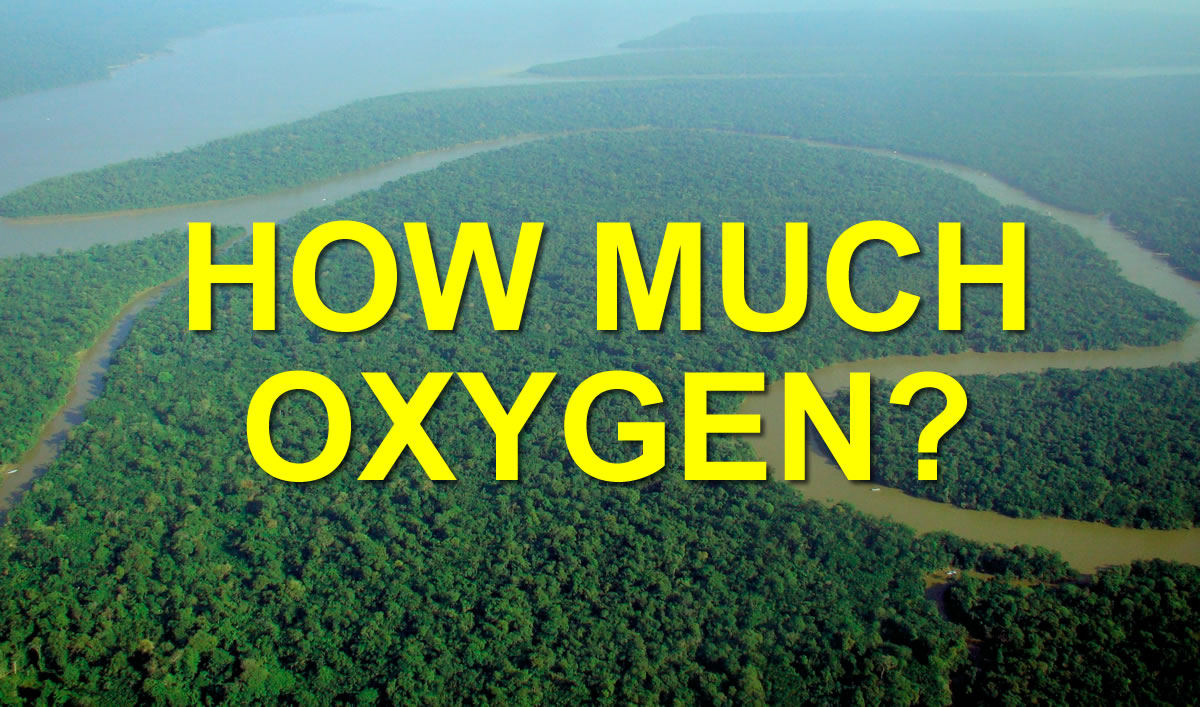
For decades, people have referred to the Amazon rainforest as the “lungs of the Earth.” You might have heard that the Amazon produces 20% of the world’s oxygen. This assertion appears everywhere, from social media posts during the Amazon fires to documentaries about deforestation. However, the truth is that this commonly shared fact about the Amazon rainforest is misleading at best and scientifically wrong at worst.
Understanding the real story matters. The Amazon rainforest is critically important, but not for the reasons most people think. This article cuts through the misinformation to explain what the Amazon actually contributes to our oxygen supply, where atmospheric oxygen really comes from, and why protecting the amazon matters even more than the popular narrative suggests. Whether you care about climate change, biodiversity, or just want accurate information about one of Earth’s most vital ecosystems, you need to know the truth.
Does the Amazon Rainforest Really Produce 20% of Our Oxygen?
No. The Amazon rainforest doesn’t produce 20 percent of the world’s oxygen. This myth has persisted for years, but scientists have thoroughly debunked it. Yadvinder Malhi, a professor of ecosystem science at Oxford University, explains that the amazon’s net contribution to atmospheric oxygen is essentially zero.
Here’s why. The Amazon does produce oxygen through photosynthesis—massive amounts of it. But the forest also consumes roughly the same amount through respiration and decomposition. When trees die and decay, microorganisms break them down using oxygen. Living trees also respire, consuming oxygen especially at night. The oxygen produced during the day gets balanced by oxygen consumed during these processes.
Think of it like breathing. You inhale and exhale. The net result is neutral. The Amazon works similarly. Trees and plants create oxygen, then organisms in the ecosystem use that oxygen. The amazon contributes around zero net oxygen to the atmosphere over time.
Where Does Earth’s Oxygen Actually Come From?
Most of earth’s oxygen supply comes from the ocean, not forests. Phytoplankton in the ocean produces the majority of oxygen we breathe. These tiny marine organisms perform photosynthesis just like land plants. They float near the water’s surface, converting carbon dioxide and sunlight into energy and releasing oxygen as a byproduct.
Scientists estimate that phytoplankton and other marine photosynthesizers produce 50-80% of atmospheric oxygen. Land plants, including all tropical forests combined, contribute the remainder. But even that contribution gets consumed by the plants themselves and soil organisms through decomposition.
The oxygen in the atmosphere today accumulated over billions of years. Ancient photosynthetic bacteria started the process millions of years before forests even existed. Current oxygen levels in the atmosphere remain stable at about 21%. The production of oxygen we see today mostly replaces oxygen consumed through various processes. It’s a balanced cycle.
Our planet operates more like a closed system for oxygen than most people realize. The store of oxygen we breathe likely hovers around equilibrium. New oxygen production roughly equals oxygen consumption across the planet. This stability has persisted for millions of years, though human activities are starting to disrupt other atmospheric balances.
Why Is the Amazon Rainforest Called the “Lungs of the Earth”?
The “lungs metaphor fails scientifically but succeeds rhetorically. People use this phrase to emphasize the Amazon’s importance. It sounds compelling. It’s easy to understand. But it misrepresents how the ecosystem actually functions.
Real lungs take in oxygen and release carbon dioxide. The amazon rainforest does the opposite during daylight—it absorbs carbon dioxide and releases oxygen through photosynthesis. But again, the forest consumes much of that oxygen through other processes. Trees in the amazon rainforest act more like a carbon storage system than lungs.
The phrase gained popularity because it’s catchy and emphasizes environmental importance. During the amazon fires in 2019, this metaphor spread rapidly on social media. Celebrities and activists shared alarming messages about the amazon rainforest burned threatening our oxygen supply. While well-intentioned, these claims oversimplified a complex ecological reality.
Amazon isn’t producing new net oxygen for the global supply. Instead, it stores massive amounts of carbon that would otherwise warm our planet. This distinction matters tremendously for understanding climate change and why deforestation poses such a serious threat.
How Does Photosynthesis Work in the Amazon Forest?
Photosynthesis in the amazon basin follows the same basic process as anywhere else on Earth. Plants use sunlight, water, and carbon dioxide to create glucose and oxygen. The abundant rainfall and consistent tropical temperatures create ideal conditions for this process year-round.
The Amazon rainforest is also incredibly efficient at photosynthesis because of its density. The vegetation captures sunlight across multiple canopy layers. Emergent trees tower above, the main canopy blocks most light below, and shade-tolerant plants occupy the understory. Each layer performs photosynthesis wherever light penetrates.
This tropical rainforest contains extraordinary biodiversity. Millions of plant species each contribute to the oxygen produced by photosynthesis. The variety means the forest maintains productivity even as individual species flower, fruit, or lose leaves. Some plant is always actively photosynthesizing somewhere in the ecosystem.
Water availability makes a huge difference. The amazon river and countless tributaries provide moisture. Combined with rainfall and temperature patterns that stay warm year-round, plants can photosynthesize continuously. Temperate forests shut down in winter. The Amazon never stops.
Yet all this photosynthetic activity doesn’t translate into net oxygen production for Earth. The oxygen levels in the atmosphere aren’t significantly affected by the Amazon’s photosynthesis because the forest consumes what it produces. The oxygen produced gets used immediately within the ecosystem itself.
What Happens to the Oxygen the Amazon Produces?
The trees use half the oxygen they produce through their own respiration. Plants don’t just photosynthesize—they also respire constantly to convert stored sugars into usable energy. This process requires oxygen. At night, when photosynthesis stops, trees become net absorbers of oxygen, using oxygen without producing any.
Decomposition consumes the rest. When leaves fall, branches break, or trees die, decomposer organisms break down this organic matter. Bacteria, fungi, and countless invertebrates perform this vital work. They require oxygen to metabolize dead plant material. In tropical forests, decomposition happens rapidly due to warmth and moisture.
The result? The oxygen we breathe likely hovers around the same levels whether the Amazon exists or not, at least in terms of direct oxygen production. The forest operates in balance. Creating and consuming roughly equal amounts over time. Without oxygen production exceeding consumption, there’s no net contribution to the oxygen supply.
Soil respiration also plays a role. Microorganisms in soil consume tremendous amounts of oxygen as they process organic material. The amazon basin contains some of Earth’s most biologically active soils. The warm, wet conditions accelerate microbial activity. These invisible organisms breathe just like we do, using oxygen constantly.
This doesn’t diminish the Amazon’s importance—it just means its value lies elsewhere. Understanding where oxygen comes from and goes helps us grasp the true threats we face. Protecting the amazon matters, but for different reasons than the popular narrative suggests.
Is the Amazon Rainforest a Net Oxygen Producer?
No, the Amazon forest functions essentially as a net-zero oxygen producer. Over annual cycles, the forest produces roughly as much oxygen as it consumes. This surprises many people who’ve heard the “lungs of the Earth” claim their entire lives.
Recent research confirms this balance. Studies measuring atmospheric oxygen above the Amazon show minimal net contribution. During the day, oxygen levels rise slightly. At night, they fall as plants and soil organisms respire. The net contribution to the oxygen in the atmosphere averages out to approximately zero.
Some scientists argue the Amazon might actually be a slight net consumer of oxygen as the forest matures. Older forests accumulate more dead wood and soil organic matter. Decomposing this material requires oxygen. While young, growing forests might produce slight oxygen surpluses, the world’s largest tropical forest has reached relative equilibrium.
As far as oxygen production goes, the Amazon’s impact is negligible on global scales. This scientific reality differs dramatically from popular perception. The amazon rainforest facts often shared on social media overstate oxygen production while understating the forest’s real value.
The ocean—specifically plankton and phytoplankton—provides our oxygen. Marine photosynthesizers created the oxygen over billions of years. Current production by marine life maintains atmospheric oxygen levels against consumption by animals, fires, and fossil fuel combustion.
How Does Deforestation Impact the Amazon’s Role?
Deforestation destroys the Amazon’s true superpower: carbon storage. Trees contain tons of carbon absorbed from the atmosphere over decades or centuries. When forests burn or get cleared, this stored carbon dioxide in the atmosphere increases immediately. This matters far more than any oxygen concerns.
The amazon rainforest is also transforming from a carbon sink into a carbon source in some areas. Research from NOAA and other institutions shows that rampant deforestation and climate change are flipping the western amazon from absorbing carbon to releasing it. This represents one of the most alarming climate feedback loops on the planet.
Indigenous people have protected millions of square miles of forest for generations. Their territories show significantly less deforestation than other areas. Studies consistently demonstrate that indigenous land management preserves biodiversity and carbon stocks better than government-protected areas. Supporting indigenous rights directly protects the forest.
Each acre of cleared forest releases stored carbon while eliminating future carbon absorption capacity. The effects of climate change worsen as tropical forests shrink. Less vegetation means less photosynthesis, which means less carbon dioxide pulled from the air. The carbon feedback loop accelerates.
Forest fires compound the problem. Natural fires rarely occur in healthy tropical rainforests—they’re too wet. But deforestation creates dry edges where fires to clear land can escape into standing forest. These fires kill trees that would otherwise store carbon for centuries. The amazon fires release both carbon dioxide and particulates that affect global climate.
What About the Amazon Fires and Oxygen Supply?
The 2019 amazon fires sparked worldwide concern about oxygen supply. Social media filled with dire warnings that burning forests would deplete earth’s oxygen. While the fires were terrible for many reasons, oxygen depletion wasn’t one of them.
Here’s why: Earth’s oxygen supply is enormous and accumulated over billions of years. The atmosphere contains approximately 21% oxygen. Even if the entire Amazon rainforest burned completely—which didn’t happen—it would barely dent global oxygen levels. Scientists calculated that oxygen in the atmosphere would decrease by less than 0.01%.
Fossil fuel combustion consumes far more oxygen than forest fires. Every gallon of gasoline burned requires oxygen for combustion. Industrial processes use oxygen continuously. Yet atmospheric oxygen levels remain stable because photosynthesis by phytoplankton in the ocean and land plants worldwide continuously replenishes it.
The real danger from fires isn’t oxygen depletion—it’s carbon release. Burning trees instantly converts stored carbon above and below ground into atmospheric carbon dioxide. This accelerates climate change. Additionally, fires destroy biodiverse ecosystems that took centuries to develop. Millions of plants and animals die. Ecosystem services disappear.
Smoke from fires also creates health hazards. It affects air quality across south america and beyond. It impacts rainfall patterns. It damages the forest’s ability to regulate regional and global climate. These consequences matter immensely, even though they don’t involve oxygen depletion.
Why Does the Amazon Matter If It Doesn’t Produce Much Oxygen?
The amazon basin is one of the most important ecosystems on the planet for climate regulation. The forest stores approximately 150 billion tons of carbon. This carbon sink keeps atmospheric carbon dioxide lower than it would otherwise be. Protecting the amazon prevents this stored carbon from entering the atmosphere.
Climate change mitigation depends on keeping this carbon locked in trees and soil. If the forest converts to grassland or agriculture, that stored carbon escapes. Scientists estimate we’re approaching tipping points where deforestation and warming could cause large-scale forest dieback. Once started, this process would be nearly impossible to reverse.
Biodiversity represents another crucial value. The Amazon is one of the most biodiverse places on earth. It’s home to millions of species, many found nowhere else. This genetic diversity provides resilience against diseases and environmental changes. It represents millions of years of evolution. Losing these species means losing potential medicines, crops, and ecosystem functions we don’t yet understand.
Water cycling shows another vital function. The Amazon generates much of its own rainfall through transpiration. Trees pull water from soil and release it into the atmosphere. This moisture becomes rain that falls back on the forest and regions downwind. Deforestation disrupts these patterns, causing drought in agricultural areas that depend on Amazon-generated rainfall.
The amazon also influences global climate patterns. It affects ocean currents, jet streams, and weather systems far beyond south america. The forest absorbs solar radiation, stores heat, and releases it gradually. These processes help stabilize Earth’s climate system. Losing the forest would trigger unpredictable climate shifts worldwide.
How Can We Protect This Vital Ecosystem?
Protecting the amazon requires addressing multiple pressures simultaneously. Deforestation for cattle ranching represents the single largest threat. Beef production drives forest clearing throughout the amazon rainforest. Reducing beef consumption in major markets decreases deforestation pressure directly.
Supporting indigenous people and their land rights provides one of the most effective protection strategies. Indigenous territories consistently show lower deforestation rates. These communities have managed forests sustainably for generations. Strengthening their legal rights and providing resources for forest protection preserves both carbon stocks and biodiversity.
Corporate accountability matters. Companies buying soy, beef, and timber from the Amazon must enforce zero-deforestation supply chains. Consumer pressure and regulations can force better practices. Certification programs help identify products from sustainably managed sources, though enforcement remains challenging.
Climate change mitigation involves both protecting existing forests and reducing global emissions. The Amazon faces increasing stress from temperature increases and changing rainfall patterns. Keeping global warming below 1.5 degrees celsius helps the forest remain stable. Every fraction of a degree matters for preventing tipping points.
Individual actions add up. Reducing consumption of rainforest-linked products helps. This includes beef, soy (used for animal feed), palm oil, and some hardwoods. Supporting organizations working on forest protection through donations or volunteer work contributes directly. Staying informed and sharing accurate amazon rainforest facts combats misinformation.
Political engagement drives change. Voting for leaders who prioritize environmental protection matters. Contacting representatives about trade policies that allow deforestation-linked products encourages action. International pressure on governments permits deforestation affects their calculations about forest protection versus development.
Essential Takeaways: The Real Story of the Amazon
Understanding the Amazon rainforest requires separating myth from reality. Here’s what you need to remember:
- The Amazon doesn’t produce 20% of the world’s oxygen – This widely shared claim is scientifically false. The forest produces and consumes roughly equal amounts of oxygen, resulting in minimal net contribution to atmospheric oxygen.
- Ocean phytoplankton generates most of Earth’s oxygen – Marine photosynthesis, not forests, produces 50-80% of the oxygen we breathe. Earth’s oxygen supply accumulated over billions of years and remains relatively stable.
- The Amazon’s real value lies in carbon storage – The forest stores approximately 150 billion tons of carbon. Releasing this through deforestation would dramatically accelerate climate change.
- Deforestation poses the greatest immediate threat – Clearing forests for cattle ranching and agriculture destroys carbon sinks and biodiversity. Parts of the Amazon are already transitioning from carbon sinks to carbon sources.
- The Amazon generates its own rainfall – Through transpiration, the forest creates weather patterns that affect regions far beyond its borders. Deforestation disrupts these critical water cycles.
- Biodiversity makes the Amazon irreplaceable – Home to millions of species, the rainforest represents millions of years of evolution. This genetic diversity provides ecosystem resilience and potential future benefits we haven’t yet discovered.
- Indigenous peoples are the forest’s best protectors – Indigenous territories show significantly lower deforestation rates. Supporting their rights directly protects forests, carbon stocks, and biodiversity.
- The 2019 fires didn’t threaten global oxygen – While devastating for many reasons, the fires couldn’t significantly deplete Earth’s massive oxygen supply. The real damage came from carbon release and ecosystem destruction.
- Climate change creates dangerous feedback loops – Warming and deforestation together could push the Amazon past tipping points, causing widespread forest die-off that would release stored carbon and accelerate global warming.
- Protection requires global cooperation – Saving the Amazon demands action from governments, corporations, consumers, and indigenous communities. Individual choices and political engagement both matter.
The Amazon rainforest deserves protection not because it’s the “lungs of the Earth,” but because it’s an irreplaceable ecosystem that regulates climate, stores carbon, supports biodiversity, and affects weather patterns globally. Understanding these facts helps us appreciate the true value of this remarkable forest and the urgency of protecting it from destruction.
About the Author