TL;DR: The goal of wildlife conservation is to protect animals, plants, and natural habitats so wildlife populations can survive for future generations. At its core, wildlife conservation means keeping ecosystems healthy, protecting biodiversity, preventing species from disappearing, and helping people live responsibly with the natural world. This matters in the United States and around the world because conservation supports clean water, food systems, climate stability, outdoor recreation, and the balance of nature. A simple conservation definition is the careful protection and management of natural resources, including wildlife, land, water, and habitat.
What Is a Goal of Wildlife Conservation?
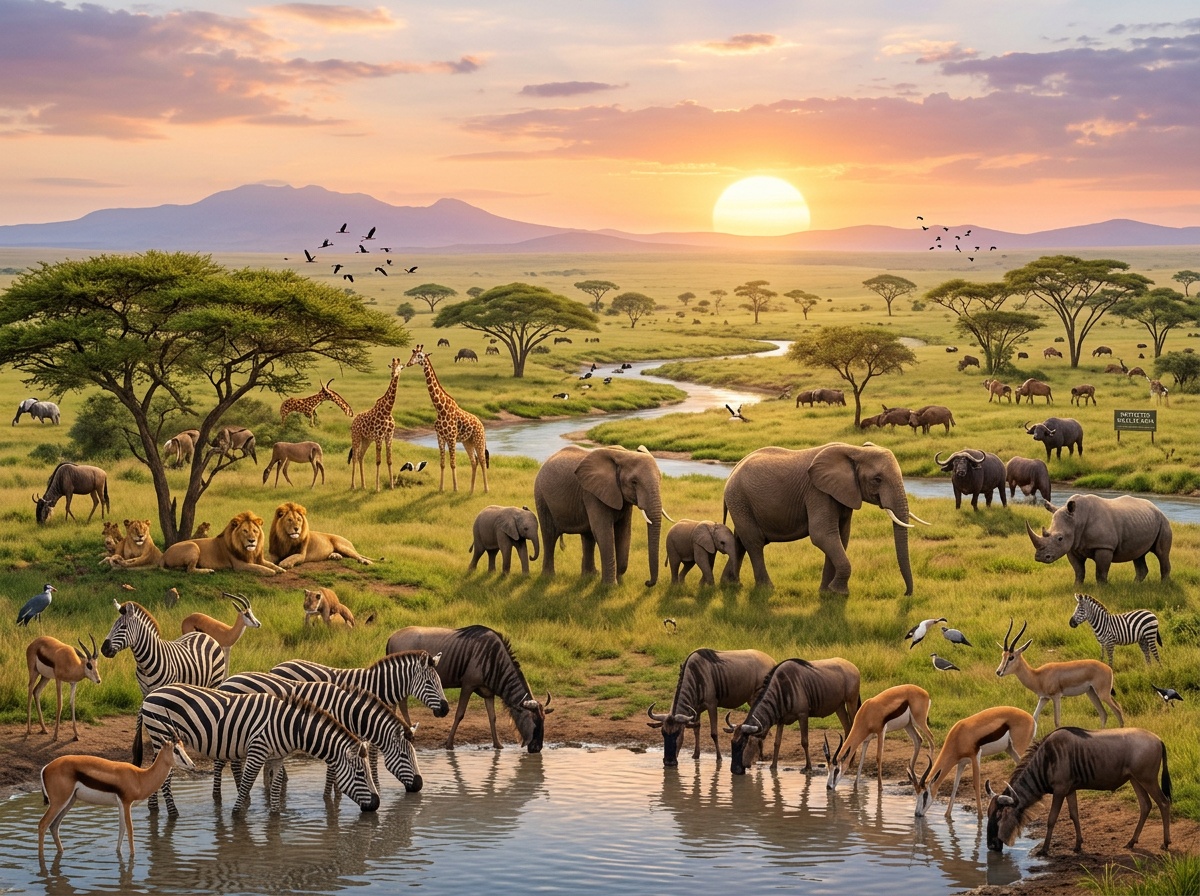
A major goal of wildlife conservation is to protect wild animals and their habitats so healthy wildlife populations can survive over time. That means keeping species from becoming endangered, helping damaged habitats recover, and making sure animals have enough food, water, shelter, and space to reproduce.
Wildlife conservation is also about balance. When one animal species disappears or grows too quickly, it can affect the whole ecosystem. Predators, prey, insects, birds, fish, plants, and soil all play a role. Nature works like a living system, not a pile of separate parts.
So, what is the goal of wildlife conservation in plain English? It is to protect wildlife, preserve biodiversity, and manage natural resources in a way that supports both animals and people. That includes future generations who should still be able to see wild places, hunt and fish legally where allowed, hike through healthy habitat, and benefit from clean air and clean water.
What Are the 7 Pillars of Wildlife Conservation?
The 7 pillars of wildlife conservation usually refer to the North American Model of Wildlife Conservation. This model is especially important in the United States and Canada. It helped rebuild many wildlife populations after years of overhunting, habitat loss, and unregulated market hunting.
The seven pillars are:
- Wildlife is held in the public trust. Wildlife belongs to the people, not just private landowners or corporations.
- Commerce in dead wildlife is eliminated. The sale of wild game meat and many wildlife parts is restricted to prevent overexploitation.
- Wildlife is allocated by law. Hunting, fishing, and wildlife use are controlled through democratic laws, seasons, permits, and limits.
- Wildlife may only be used for a legitimate purpose. Taking wildlife should not be wasteful or frivolous.
- Wildlife is an international resource. Animals do not recognize borders, especially migratory birds, fish, and wide-ranging mammals.
- Every person has equal opportunity under the law. Wildlife access should not be reserved only for the wealthy or powerful.
- Science guides wildlife management. Decisions should be based on research, population data, habitat conditions, and long-term conservation goals.
These pillars matter because they connect conservation with responsibility. They show that wildlife conservation is not just about protecting cute or famous animals. It is also about law, ethics, science, habitat, and public trust.
What Are the Three Goals of Conservation?
The three broad goals of conservation are to protect biodiversity, maintain healthy ecosystems, and support the sustainable use of natural resources. These goals apply to wildlife conservation, forest conservation, marine conservation, and environmental conservation in general.
The first goal is protecting biodiversity. Biodiversity means the variety of life in an area. That includes animals, plants, fungi, insects, fish, birds, and the genetic differences within species. A more diverse ecosystem is often more resilient when facing disease, invasive species, drought, pollution, or climate change.
The second goal is maintaining healthy ecosystems. Wildlife needs habitat. People do too, even if we do not always think of it that way. Healthy forests, wetlands, grasslands, rivers, and oceans help filter water, store carbon, support pollinators, reduce erosion, and keep natural systems working.
The third goal is sustainable use. Conservation does not always mean locking nature away and never touching it. In many cases, good management allows people to use natural resources carefully while still protecting wildlife populations for the long term. That is why science-based management is so important.
Why Is Wildlife Conservation So Important?
Wildlife conservation is important because human survival is tied to the health of the natural world. Animals are part of food webs, pollination cycles, seed dispersal, soil health, and water systems. When wildlife disappears, the effects can move through the entire ecosystem.
It also matters because of climate change. Healthy ecosystems can store carbon, protect shorelines, reduce flood damage, and help species adapt to changing conditions. Damaged habitats make both animals and people more vulnerable.
There is also an ethical side. Wild animals have value beyond what they can do for humans. Many people believe we have a responsibility to protect wildlife because we share the planet with it. That responsibility becomes even stronger when human activity is the main reason a species is declining.
Wildlife conservation also protects outdoor traditions. In the United States, many hunters, anglers, hikers, birdwatchers, campers, and conservation groups support habitat protection because they want wild places to remain wild. That kind of conservation is practical, cultural, and deeply personal.
Humans and Our Relationship with Nature.
The issue of wildlife conservation is one that permeates across the globe. It has been a hotly debated subject among politicians and advocacy groups for a very long time, and many of us ordinary citizens have pondered the issue in our minds. However, it seems as though the majority of us do not consider the preservation of wildlife to be a worthwhile goal, as it does not seem to be a problem that requires an urgent solution, and many people feel like they do not have the time to contribute to such causes even if they wanted to. After all, the majority of us have no shortage of things we need to get done in our day to day lives, from working full-time jobs to taking care of our households, so it may not seem like nature is something we need to care about. However, the preservation of wildlife is a cause that we should all make time for, as protecting our fragile ecosystem helps us to survive as a species. It would not be a stretch to suggest that we, as humans, do not exist in a vacuum. That is to say, we cannot survive without the environment around us, and that includes the wildlife with which we share our planet. When we consider this notion, it becomes clear that the goal of wildlife conservation is not just protecting animals and forest habitats, but also enabling ourselves to continue living on this rock that we love so much!
Why We Must Protect Wildlife.
You might be wondering why protecting the natural world would be relevant to us as human beings. What is the goal of conserving wildlife, and what do we gain from it? Well, there are many answers to those questions, but one might say that the main purpose of wildlife conservation is to protect the fragile ecosystems that make up our world. You see, everything in nature exists in a delicate balance, and to disrupt it can lead to a dramatic change in the populations of birds, insects, and many other critters. As a result, this population change can significantly alter the resources that are available to us humans. One example of this phenomenon is found on the island nation of Guam, where the introduction of the brown tree snake via cargo planes from Australia during the second world war has devastated the native bird population, as the species unique to the island do not possess any natural defense mechanism to protect themselves against snakes. To make matters worse, the wide availability of birds as a food source has led to an explosion in the population of brown tree snakes in Guam, and efforts to control their numbers over the years have not been very effective so far. Such a radical change in the population of so many different species should be alarming to us when we think about the consequences it can have. What if the dropping number of birds in Guam has a significant effect on the island’s natural resources? An event such as that could put the well-being of many people at risk, and so it becomes clear to us that conserving wildlife and its natural habitat is in our best interest, even if it does not seem to be an important issue on the surface.
Key Takeaways
- The main goal of wildlife conservation is to protect animals, habitats, and biodiversity for future generations.
- A simple conservation definition is the careful protection and management of natural resources.
- Wildlife conservation helps prevent extinction and supports stable wildlife populations.
- The 7 pillars of wildlife conservation usually refer to the North American Model used in the United States and Canada.
- The three broad goals of conservation are protecting biodiversity, maintaining healthy ecosystems, and supporting sustainable use.
- Climate change makes conservation more urgent because many animals and habitats are already under stress.
- Environmental conservation protects both wildlife and people by supporting clean water, food systems, soil health, and natural balance.
- Good wildlife management uses science, law, public responsibility, and long-term thinking.
We Must All Do Our Part to Protect the Natural World!
Many people consider themselves to be too busy to care about protecting wildlife and the environment, but these things are actually quite fragile. Even the smallest change in a local ecosystem can have a significant impact on the wildlife of the area, which may, in turn, harbor negative consequences for us as humans. For this reason, it is in our own best interest as a species to support the conservation of wildlife and the environment.
About the Author