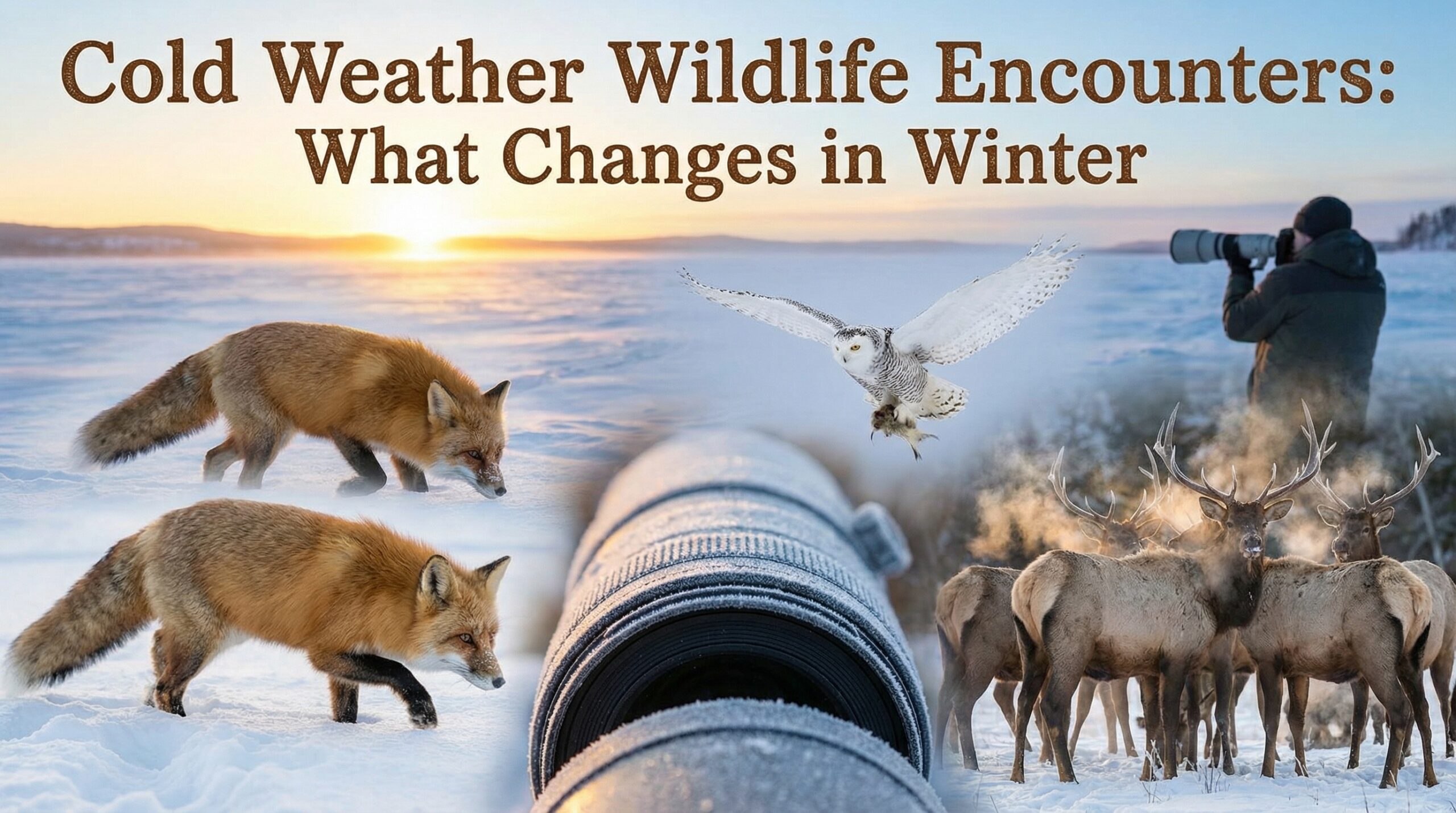
Winter transforms the wilderness into a different world. The white landscape reveals animal tracks you’d never see in summer. Creature behavior shifts dramatically. Some animals become easier to spot against white snow, while others vanish entirely into winter dormancy. This guide covers everything you need to know about winter wildlife safety, cold weather animal behavior, and how to maximize your outdoor experiences during the coldest months.
Whether you’re planning adventures in Yellowstone National Park or simply curious about the animals in your backyard, understanding how creatures adapt to winter conditions keeps you safer. It also makes your time outdoors far more rewarding.
How Does Cold Weather Change Animal Behavior?
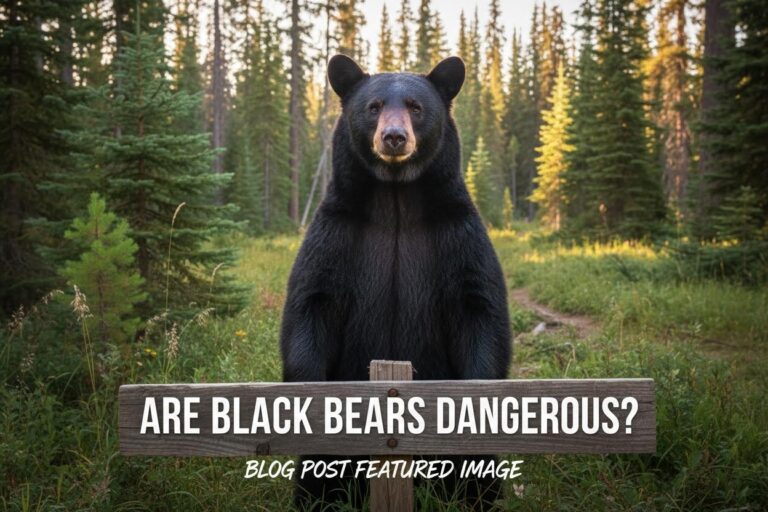
Animals respond to dropping temperatures in remarkable ways. Many species you encounter regularly during summer simply disappear. Black bears and brown bears hibernate through the coldest months. Mother bears give birth during this dormant period. You won’t see a grizzly bear on the trail until spring.
Other mammals stay active but alter their patterns significantly. Moose move to lower elevations where snow isn’t as deep. Elk migrate from mountain meadows to valley floors. At the National Elk Refuge in Wyoming, thousands gather each winter. This creates one of the most spectacular viewing opportunities in North America.
Cold temperatures also change when animals feed. Many species become more active during midday when temperatures rise slightly. Dawn and dusk remain prime viewing times, but don’t overlook the afternoon hours during the winter season. Mule deer often feed in open areas when the sun provides warmth. Pronghorn congregate in larger herds for protection against both cold and predators.
What Winter Hiking Dangers Should You Know About?
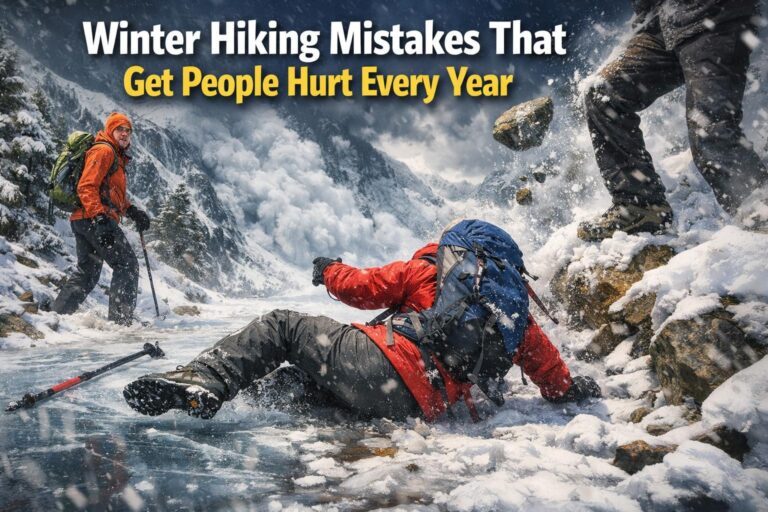
Winter hiking dangers extend beyond slippery trails and hypothermia. Animal encounters during cold weather present unique risks. Hungry creatures may behave unpredictably. Food sources become scarce. Competition intensifies.
Wolf packs hunt more actively in winter. In Yellowstone, the Lamar Valley becomes prime territory from December through March. Wolves rarely threaten humans, but maintaining distance matters. Keep at least 100 yards between yourself and any you spot. Use binoculars for safe observation.
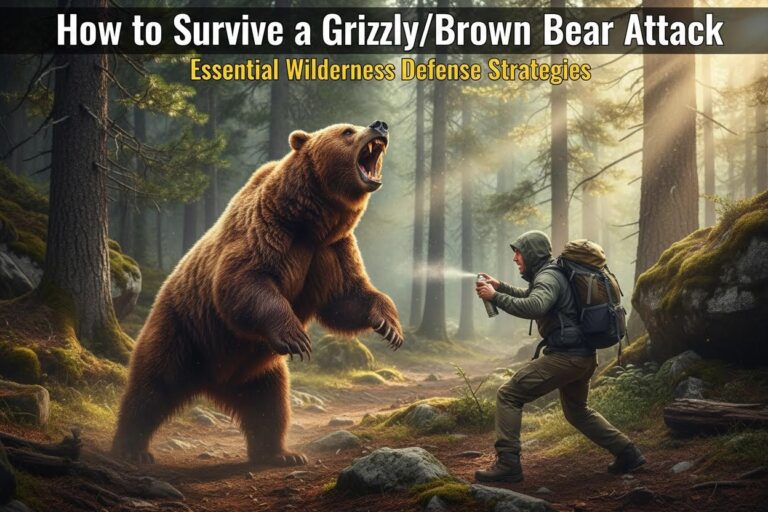
Moose pose greater danger during winter than summer. Starving individuals become aggressive. Deep snow makes escape difficult for both animals and humans. One defending a feeding area can charge without warning. Give them space. Never position yourself between a moose and its food source or escape route.
Mountain lions become harder to detect against snowy backgrounds. These ambush predators hunt deer and other animals more intensely when prey populations concentrate in winter range. Travel in groups. Make noise. Stay alert, especially at dusk when various predators typically hunt.
Where Can You See Wolves in Their Natural Habitat?
Winter offers the best opportunity to observe these predators in the wild. Their dark coats contrast sharply against white snow. Mating season peaks in February, making them more visible and vocal.
The park remains the premier destination to see wolves in the lower 48 states. The Lamar Valley provides open terrain where packs hunt large ungulates. Arrive early. Stake out a position with good sightlines. Bring a spotting scope. Temperatures drop well below zero, so dress accordingly. A naturalist guide dramatically increases your chances of success.
Bozeman, Montana serves as an excellent base for expeditions. Several wildlife tours operate throughout the cold months. These guided experiences take you into prime territory while supporting research and conservation efforts.
Beyond wolves, winter brings opportunities to observe other predators. Red foxes remain active year-round. Their thick coats make them especially photogenic. Watch for distinctive pouncing behavior as they hunt rodents beneath the snow. Bobcats prowl forest edges. Lynx track hares through deep powder.
Which Parks Offer the Best Cold Weather Animal Experiences?
The greater ecosystem tops the list for incredible winter wildlife encounters. The ecosystem supports an extraordinary diversity of species. A herd numbering in the thousands roams the thermal areas. Steam from geysers creates otherworldly backdrops for photography.
Access becomes limited during winter. Most park roads close to regular vehicles. Snowcoaches and guided snowmobile tours provide access to the interior. This reduced human presence actually improves viewing opportunities. Animals behave more naturally without heavy traffic.
Grand Teton connects to the park and offers equally impressive experiences. The Gros Ventre Road remains accessible and provides excellent territory. Bighorn sheep descend to lower elevations. Eagles gather along unfrozen rivers.
Rocky Mountain in Colorado delivers accessible adventures. Large groups gather in meadows visible from main roads. Coyotes hunt in the open. The park remains open year-round, making it convenient for day trips.
How Do Elk and Bison Survive Winter Conditions?
These large animals have evolved impressive adaptations for surviving harsh weather. Understanding these behaviors helps you locate animals and appreciate what you’re witnessing.
Elk migrate seasonally. Summer finds them at high elevations where food is abundant. Winter drives them down to valleys where snow depths allow foraging. The refuge near Jackson, Wyoming hosts the largest wintering population. Thousands concentrate in this protected area. Horse-drawn sleigh rides bring visitors remarkably close.
Bison take a different approach. These massive creatures use their huge heads as snowplows. They swing side to side, clearing snow to reach frozen grass beneath. Their thick coats provide insulation against extreme cold. They can survive temperatures that would kill most domestic cattle.
Watch for feeding patterns. Both species conserve energy during winter. They move slowly and deliberately. Disturbing wintering animals forces them to burn calories they cannot afford to lose. Keep your distance. Use your binoculars. Never approach closer than 25 yards.
Can You See Whales During Winter Months?
Winter brings exceptional viewing opportunities along both coasts. Migration patterns put these creatures within viewing distance of shore.
Gray whales travel from arctic feeding grounds to breeding lagoons in Baja California. Their migration route passes close to the California coast from December through February. Coastal headlands provide excellent vantage points. Boat tours offer closer encounters.
Humpbacks congregate around Hawaii during winter. They mate and give birth in warm tropical waters. Maui offers particularly good viewing. You can watch from shore or join a boat tour led by certified marine naturalists.
Alaska’s waters host orcas year-round. Harbor seals and sea lions remain active throughout winter, attracting these apex predators. Boat tours from coastal communities provide opportunities for up-close encounters with these ocean creatures.
What Birds Can You Find During Winter Outdoor Activities?
Winter birding offers rewards that other seasons cannot match. Many species are easier to find without foliage blocking your view. Northern species migrate south, bringing unusual birds to areas where they never appear in summer.
The snowy owl irrupts southward every few years. This raptor follows lemming populations. When lemming numbers crash, they travel far south in search of food. Watch open fields, airport perimeters, and coastal dunes.
Great horned owls become particularly active in the cold months. They establish nesting territories starting in November. Listen for their distinctive hooting at dusk. These calls carry far through cold, still air. Scan bare trees for silhouettes against the evening sky.
Bald eagles concentrate near open water. Rivers that remain unfrozen attract eagles hunting fish. The Chilkat Bald Eagle Preserve in Alaska hosts thousands from October through February. This represents one of the largest gatherings anywhere on Earth.
Your feathered friends at backyard feeders become more diverse during the cold months. Northern species like pine siskins, redpolls, and evening grosbeaks may visit feeders far south of their normal range. Citizen science projects like FeederWatch and the Christmas Bird Count help researchers track these birdlife movements.
Where Do Goats and Dall Sheep Go in Winter?
Alpine ungulates face unique challenges during cold months. Deep snow covers their food sources. Steep terrain becomes more treacherous with ice.
Mountain goats typically stay at high elevations year-round. They seek out windswept ridges where snow doesn’t accumulate deeply. Their thick coats provide insulation against brutal cold. These animals remain difficult to locate in winter. Their white coats blend perfectly with winter surroundings.
Dall sheep in Alaska’s wilderness descend to lower elevations during severe winters. They concentrate on south-facing slopes where sun exposure melts snow faster. This makes them more accessible to viewers willing to brave cold temperatures.
Bighorn sheep present better viewing opportunities in the lower 48. They move to lower terrain where vegetation remains accessible. National parks in the Rockies provide reliable viewing. Watch road cuts and south-facing slopes during morning hours when sheep often sun themselves.
Should You Try Dog Sled Tours for Animal Experiences?
Dog sled tours combine adventure with unique viewing opportunities. The quiet movement of a sled team allows you to observe animals without disturbing them.
Denali in Alaska offers spectacular experiences. The wilderness encompasses prime range for numerous species. You can learn to mush your own team or ride as a passenger. Either way, you’ll cover terrain inaccessible by other means.
Dog sled tours operate throughout Alaska’s winter season. Many include overnight stays in remote cabins. This extended time in the backcountry dramatically increases viewing opportunities. Guides know where animals concentrate during cold months.
The experience also teaches you about tracks in snow. Your guide will point out signs of activity. You’ll learn to distinguish different track patterns. This tracking knowledge enhances all future outdoor adventures.
How Can Families Enjoy Safe Winter Animal Activities?
Family-friendly wildlife activities abound during winter. Many options keep kids engaged while minimizing exposure to extreme cold or dangerous encounters.
Conservation centers and zoos offer excellent experiences. The Alaska Wildlife Conservation Center near Anchorage houses various species including reindeer. The zoo’s animal ambassadors provide guaranteed encounters and educational programs. Such facilities let children interact safely with these creatures.
The Bronx Zoo and similar facilities offer winter guides highlighting which animals remain active during cold months. Many actually prefer cooler temperatures. Snow leopards, red pandas, and polar bears often show more activity during winter visits.
Walking a nature preserve with kids after fresh snowfall teaches tracking skills. Bring a field guide to tracks. Make a game of identifying which critter passed by. Even suburban parks reveal surprising activity in winter. Deer, rabbits, and countless bird species leave evidence of their passage.
Hot chocolate breaks warm everyone up. Plan indoor warming stops into longer excursions. Visitor centers at a national wildlife refuge offer interpretive programs. Rangers can direct you to the best locations for that day.
Preparing for Your Cold Weather Adventure
Successful winter animal encounters reward those who prepare properly. Dress in layers. Pack extra warm clothing. Bring hand warmers. Hypothermia threatens anyone who underestimates cold temperatures.
Equipment matters during winter outings. Quality binoculars allow safe observation from appropriate distances. A spotting scope transforms distant shapes into identifiable animals. Camera batteries drain quickly in cold weather. Keep spares warm in interior pockets.
Research your destination before you go. Contact visitor centers for current conditions and recent observations. Many parks maintain observation boards. Rangers track pack locations, herd movements, and unusual bird appearances. This intelligence maximizes your chances for memorable wildlife experiences.
Travel with realistic expectations. No guarantee exists that you’ll see any particular species. Some days deliver nothing but chickadees and deer tracks. Other days bring once-in-a-lifetime sightings. Both experiences connect you to the natural world during the most challenging season.
Consider hiring a naturalist guide for priority species. Professional guides spend hundreds of days each year in the field. They know where animals concentrate during specific weather patterns. They carry powerful optics and communication equipment. Investment in guided tours dramatically increases success rates.
Finally, practice ethical observation. Never approach closer than regulations allow. Don’t feed animals. Avoid loud noises that stress already-challenged creatures. Snowshoeing and exploring backcountry areas requires extra awareness. Many animals expend dangerous amounts of energy fleeing perceived threats. Your respectful distance may literally save an animal’s life during harsh winter conditions.
Key Takeaways: Winter Safety and Viewing Tips
- Animal behavior changes dramatically in winter – many species hibernate while others become easier to spot against snowy backgrounds and concentrate in accessible habitat
- Winter hiking dangers include unpredictable encounters – hungry animals, active predator packs, and hunting mountain lions require extra vigilance and appropriate distance
- America’s first national park offers premier cold weather viewing – the Lamar Valley and thermal areas provide ideal conditions with reduced crowds
- Maintain safe distances always – stay 100 yards from large predators and bears, 25 yards from large ungulates, and never position yourself between animals and their escape routes
- Marine mammals migrate during winter months – gray whales pass the California coast while humpbacks gather in Hawaii and orcas remain active in northern waters
- Dress for extreme cold – layer clothing, pack extra warmth, and bring hand warmers since even mild weather turns dangerous during extended outdoor activities
- Quality optics enhance safety and enjoyment – binoculars and spotting scopes let you observe from appropriate distances without disturbing animals
- Guided tours increase success rates – naturalist guides know current locations, proper behavior, and how to maximize sightings safely
- Family-friendly options exist everywhere – conservation centers, zoos, and refuges offer accessible wildlife viewing for all ages
- Respect creatures during their most challenging season – avoid causing animals to flee since every calorie burned during winter conditions threatens their survival
About the Author