TL;DR: Discover America’s most stunning wilderness spots in this guide to the top 10 national parks to visit in the US. From the Great Smoky Mountains, which welcomed a record 12.19 million visitors, to California’s ancient redwood forests and beautiful state parks. Whether you’re planning a day trip to Grand Teton National Park, exploring the unique rock formations of Bryce Canyon National Park, or looking for the best time to visit Yosemite or Arches National Park, this guide helps you find your favorite national parks. Learn which national park in America provides the ideal setting for your next adventure, from the glaciers of Rainier National Park to discovering your new favorite among America’s 63 designated national treasures.
America’s wilderness tells stories that go back millions of years, long before humans existed. These protected areas, managed by dedicated Park Rangers and the National Parks Service, keep ecosystems safe that would otherwise be lost to concrete and steel. The top national parks to visit in the US offer more than just beautiful views; they also create a refuge for wildlife and nurture the human spirit.
Recent data shows record visitation numbers, with 331.9 million recreation visits to all National Parks in 2024. This increase reflects our shared desire for real natural experiences. However, with this popularity comes responsibility. Every visitor has the power to either protect or harm these priceless treasures.
Great Smoky Mountains National Park – North Carolina/Tennessee
Straddling the border between North Carolina and Tennessee, Great Smoky Mountains National Park is America’s most loved wilderness destination. In 2024, Great Smoky Mountains National Park welcomed 12.19 million visitors, keeping its title as the most visited national park for decades.
The Smokies got their name from the natural fog that covers the ancient peaks every morning. This moisture produces ideal conditions for amazing biodiversity. More than 19,000 documented species live in this park. Black bears roam through old-growth forests, and synchronous fireflies put on stunning light shows every May.
The park’s accessibility makes it popular. Free admission eliminates financial barriers that restrict access to other parks. Several entry points across two states welcome visitors from all over the eastern seaboard. However, crowds gather at well-known spots like Cataract Falls and Cades Cove, while many miles of untouched backcountry remain nearly empty.
Responsible exploration means venturing beyond the obvious destinations. Hidden waterfalls and remote mountain balds reward hikers willing to earn their solitude. Fall brings spectacular color displays, while spring wildflowers carpet forest floors in delicate beauty.
Zion National Park – Utah
Utah’s Zion National Park fascinates with its towering sandstone cliffs and green pools supplied by desert springs. Zion National Park ranked second with 4.94 million visitors in 2024, showing its popularity as a top destination in the American Southwest.
The Virgin River carved these magnificent canyons over millions of years, creating slot canyons so narrow that sunlight barely penetrates their depths. Popular hikes like Angel’s Landing test nerves with exposed chains leading to panoramic viewpoints. The Narrows invites adventurous souls to wade upstream between towering walls.
Zion’s desert ecosystem supports surprising diversity. Peregrine falcons nest on impossible cliff faces while desert bighorn sheep navigate terrain that challenges human mountaineers. Spring brings wildflower blooms that transform barren-looking slopes into gardens of color.
Water conservation takes critical importance here. The Colorado River system faces unprecedented stress from climate change and overuse. Visitors can support conservation by staying on designated trails, packing out all waste, and using refillable water bottles at park facilities.
Grand Canyon National Park – Arizona
No list of America’s best national parks leaves out the Grand Canyon. This geological marvel draws visitors from all over the world, with 4.91 million recreation visits in 2024. The canyon’s massive size is hard to grasp; it stretches 277 river miles, reaches up to 18 miles wide, and dips over a mile deep.
The Colorado River exposed nearly two billion years of Earth’s history in these layered rock formations. Each stratum tells stories of ancient seas, desert periods, and mountain-building events that shaped our continent. Sunrise and sunset transform the canyon into a canvas of impossible colors.
Wildlife thrives despite harsh desert conditions. California condors soar on thermals rising from canyon depths, while elk graze meadows along the rim. Night skies reveal celestial displays largely hidden from light-polluted cities.
Sustainable tourism becomes increasingly important as visitation strains park infrastructure. Advance reservations now required for many activities help distribute crowds more evenly. Visitors can reduce impact by camping rather than driving daily, using park shuttles, and exploring less crowded viewpoints along Desert View Drive.
Yellowstone National Park – Wyoming/Montana/Idaho
America’s first national park, established in 1872, Yellowstone pioneered the idea of protecting wilderness for future generations. Yellowstone National Park had 4.74 million visits in 2024, showing its lasting attraction across many generations.
Geothermal features make Yellowstone unique among world landscapes. Old Faithful geyser provides predictable spectacle, but over 10,000 hydrothermal features create an alien landscape of bubbling mud pots, steaming fumaroles, and rainbow-colored hot springs. The underlying supervolcano powers this thermal wonderland.
Yellowstone supports the largest free-roaming wildlife population in the lower 48 states. Bison herds migrate seasonally between summer and winter ranges. Wolf packs hunt elk across Lamar Valley while grizzly bears emerge from hibernation to feast on whitebark pine nuts.
Responsible wildlife viewing requires maintaining safe distances. Bison injure more visitors than any other species, despite appearing docile. Telephoto lenses allow close-up photography without disturbing animal behavior. Dawn and dusk provide optimal viewing opportunities when animals are most active.
Rocky Mountain National Park – Colorado
Colorado’s Rocky Mountain National Park offers alpine wilderness close to Denver. In 2024, the park welcomed 4.15 million visitors, making it one of the easiest high-country destinations to access in America.
Trail Ridge Road climbs above treeline to 12,183 feet elevation, providing access to arctic-alpine ecosystems found nowhere else in the continental United States. Pikas and marmots thrive in rocky talus slopes while elk bugle during autumn rutting season.
The park encompasses over 350 miles of hiking trails ranging from easy lakeside strolls to challenging summit ascents. Bear Lake attracts families with children while Longs Peak challenges experienced mountaineers. Wildflower displays peak in July when alpine meadows burst with color.
Climate change impacts become visible at high elevation. Treeline creeps upward as temperatures warm, altering plant communities adapted to specific elevation zones. Pine beetle infestations, exacerbated by warmer winters, create fire hazards requiring careful management.
Yosemite National Park – California
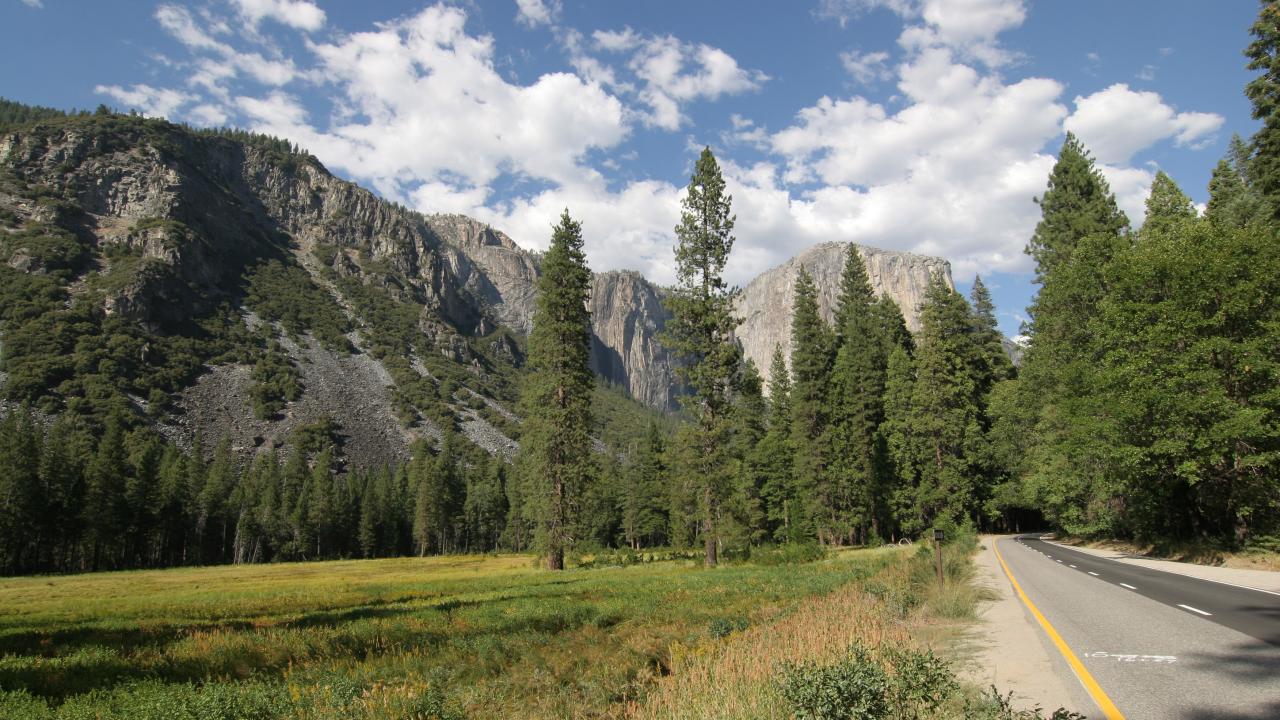
Yosemite Valley’s granite cliffs inspired the conservation movement that led to the creation of our national park system. Yosemite National Park welcomed 4.12 million visitors in 2024, attracted by famous sites like El Capitan and Half Dome.
John Muir’s passionate advocacy helped preserve these ancient granite formations carved by glacial action over millions of years. Waterfalls cascade from hanging valleys, creating spectacular displays during spring snowmelt. Yosemite Falls drops 2,425 feet in three distinct stages.
Giant sequoias in Mariposa Grove rank among Earth’s largest living organisms. Some specimens exceed 3,000 years old, predating human civilization. These giants adapted to periodic wildfire, developing thick bark that protects against heat damage.
Valley overcrowding challenges park management during peak seasons. Advance reservations help control vehicle traffic while encouraging alternative transportation. Backpacking into high country wilderness provides escape from crowds while offering spectacular alpine scenery.
Acadia National Park – Maine
Maine’s Acadia National Park protects the most stunning coastline on the eastern edge of the US map. Acadia National Park had 3.96 million visits in 2024, making it the most popular spot in New England.
Rocky shores meet crashing Atlantic waves while spruce-fir forests blanket granite mountains. Cadillac Mountain provides the first sunrise views in the continental United States. Tide pools reveal marine ecosystems adapted to dramatic daily changes.
The park spans multiple islands connected by scenic drives and historic carriage roads. John D. Rockefeller Jr. funded much of the infrastructure, including stone bridges that harmonize with natural landscapes. These gravel paths now serve hikers and cyclists seeking quieter exploration.
Acadia demonstrates successful public-private conservation partnerships. Citizen donations and volunteer efforts supplement federal funding. Visitors can participate through trail maintenance, invasive species removal, and citizen science projects that monitor environmental changes.
Olympic National Park – Washington
Washington’s Olympic National Park has a remarkable variety of ecosystems in a relatively small space. The park welcomed 3.71 million visitors in 2024, who were attracted by its ancient rainforests, rugged coastlines, and glacier-covered mountains.
The Hoh Rainforest receives over 140 inches of annual precipitation, creating temperate rainforest conditions found nowhere else in the continental United States. Moss-draped trees reach cathedral-like proportions while ferns carpet the forest floor.
Coastal strips preserve wild Pacific shorelines where Roosevelt elk graze beach grass between scattered driftwood logs. Sea stacks provide nesting sites for seabirds while tide pools teem with marine life.
The park’s roadless interior protects one of the largest wilderness areas in the lower 48 states. Backpacking opportunities range from gentle river valleys to challenging glacier traverses. No roads cross the Olympic Mountains, preserving pristine watershed conditions.
Glacier National Park – Montana
Montana’s Glacier National Park protects untouched mountain wilderness along the Continental Divide. In 2024, Glacier National Park welcomed 3.20 million visitors who were drawn by its stunning peaks, clear lakes, and diverse wildlife.
Going-to-the-Sun Road provides one of America’s most spectacular mountain drives, climbing through multiple ecosystems from valley forests to alpine tundra. The narrow, winding route requires careful attention but rewards travelers with breathtaking vistas.
Glacier’s namesake ice fields continue retreating due to warming temperatures. Scientists document changes as glaciers shrink and disappear entirely. This visible climate change impact provides powerful education about environmental challenges facing mountain ecosystems.
Wildlife viewing opportunities abound throughout the park. Mountain goats navigate impossible cliff faces while grizzly bears forage for berries on alpine slopes. Wolverines and lynx inhabit remote areas rarely seen by visitors.
Sequoia National Park – California
California’s Sequoia National Park protects groves of the largest trees on Earth by volume. These ancient giants form forests that inspire awe in visitors with their enormous size and age.
The General Sherman Tree stands as the world’s largest living organism by volume, containing enough wood to build a small city. Walking among these titans provides perspective on human timescales versus natural processes operating over millennia.
Sequoias adapted to survive periodic wildfire, developing thick bark and elevated crowns that resist flame damage. Fire suppression policies disrupted natural cycles, requiring careful prescribed burning to restore forest health.
The park extends beyond giant tree groves into high Sierra wilderness. Mount Whitney, the tallest peak in the lower 48 states, challenges experienced mountaineers. Alpine lakes reflect granite peaks in pristine wilderness settings accessible only by foot.
Preserving Paradise for Future Generations
These ten amazing parks showcase America’s natural heritage, preserved for future generations. The Bureau of Land Management, National Parks Service, and many dedicated rangers work hard to balance public access and conservation needs.
Record visitation numbers in 2024 reflect our collective desire to connect with wild places. Yet popularity brings challenges requiring thoughtful solutions. Advance reservations, seasonal closures, and visitor education help protect fragile ecosystems while maintaining public access.
Every visitor carries responsibility for preservation. Leave No Trace principles guide ethical outdoor behavior. Stay on designated trails, pack out all waste, maintain safe wildlife distances, and camp only in approved areas. Small actions multiplied across millions of visitors create significant cumulative impacts.
Climate change threatens park ecosystems through altered precipitation patterns, rising temperatures, and increased wildfire frequency. Support for renewable energy, reduced consumption, and sustainable transportation helps address root causes of environmental degradation.
These national treasures belong to all Americans equally. Their preservation depends on continued public support for adequate funding, scientific research, and protective legislation. Future generations deserve to experience the same wonder that draws millions to these sacred landscapes each year.
The best national parks to visit in the US offer more than recreation—they provide essential habitat for countless species while nourishing human spirits seeking connection with the natural world. Choose your destinations thoughtfully, travel responsibly, and become an advocate for the wilderness that shaped America’s character.
Key Takeaways
- Most Popular US National Park: Great Smoky Mountains National Park topped all parks in the United States with 12.19 million recreation visits in 2024, maintaining its status as the most visited national park for decades thanks to free admission and accessibility across North Carolina and Tennessee.
- Best Time to Visit Western Parks: Spring offers the ideal time to visit Zion (4.94M visitors), Grand Canyon (4.91M), and other favorite national parks when wildflowers bloom, waterfalls peak, and temperatures remain comfortable for this essential day trip or extended adventure.
- National Park in America’s Western Corridor: Utah’s Bryce Canyon National Park, Arches National Park, and Zion form an exceptional trilogy of parks in the United States, offering unique red rock formations and stunning landscapes within easy driving distance of each other.
- Grand Teton National Park Excellence: Adjacent to Yellowstone, Grand Teton National Park provides dramatic alpine scenery and accessible state parks experiences, making it a favorite national destination for photographers and wildlife enthusiasts.
- Coastal National Treasures: From Acadia National Park’s rocky Maine shores (3.96M visitors) to Olympic National Park’s Pacific coastline (3.71M), coastal parks in the United States offer diverse ecosystems where forest meets ocean in spectacular fashion.
- Redwood National Park Giants: California’s Redwood National forests protect Earth’s tallest trees alongside Sequoia National Park’s volume champions, offering humbling encounters with ancient organisms that predate human civilization by millennia.
- Your Favorite Park Awaits: Whether drawn to Rainier National Park’s glaciers, Rocky Mountain National Park’s alpine tundra (4.15M visitors), or Glacier National Park’s pristine wilderness (3.20M), each national park in the USA offers unique experiences worth exploring.
- US Virgin Islands Alternative: For tropical paradise seekers, the US Virgin Islands National Park provides Caribbean beauty and marine ecosystems distinct from continental state parks and mainland favorite national parks.
- Essential Trip Planning: Advance reservations now required at many favorite national parks help manage crowds—plan your day trip or extended visit early, especially when determining the best time to visit peak destinations during summer months.
- Conservation Responsibility: Record 331.9 million recreation visits across all national park sites in 2024 underscore the importance of Leave No Trace principles to preserve these parks in the United States for future generations to discover as their favorite park.
About the Author