TLDR: Bear attacks are rare, but knowing how to survive one can save your life. The best way to avoid a bear attack is through prevention: make noise on trails, travel in groups, and properly store food to avoid surprise encounters. If you run into a bear, never run; instead, identify the species immediately since american black bears and brown bear attacks require different responses. When facing a defensive grizzly attack, especially from a bear and her cubs, play dead by lying on your stomach with your hands protecting your neck. However, if you encounter black bears showing aggression, fight back immediately by aiming for the face and eyes. According to national park service data and wildlife research, bear spray proves 90-92% effective at stopping charges. Understanding the difference between defensive and predatory behavior, recognizing warning signs, and carrying accessible bear spray are your keys to surviving any bear encounter in the backcountry.
Picture yourself on a backcountry trail. You round a corner and see a grizzly bear protecting her cubs. Your heart pounds. Time slows. The next thirty seconds will decide whether you walk away from this encounter or become a statistic. Bear attacks are one of the most terrifying situations any outdoor enthusiast can face. However, they are rare, occurring to only a few people each year among millions of wilderness visitors. This guide uses decades of wildlife research, national park data, and real survival stories to provide you with knowledge that could save your life when every second counts.
What Makes a Bear Attack You?
Bears don’t attack out of hate. They attack when they feel threatened, when they are protecting their cubs, or when they are guarding food. A mother grizzly will charge if she thinks you’re a danger to her young. This is pure protective instinct, not aggression. Understanding bear behavior is essential for survival because your response must suit the type of bear and the reason for its approach.
Most bear encounters end safely. Bears usually steer clear of humans when they hear them in the woods. Problems occur during surprise encounters when a bear hasn’t noticed you and suddenly sees you as a threat. In these defensive situations, the bear isn’t trying to eat you; it’s trying to deal with what it thinks is danger.
Predatory bears create a different situation. These rare but serious encounters involve a bear actively stalking you as its prey. Understanding the difference between defensive and predatory attacks is crucial for your survival strategy, which we will look into in detail.
How Do You Identify Which Type of Bear You’re Facing?
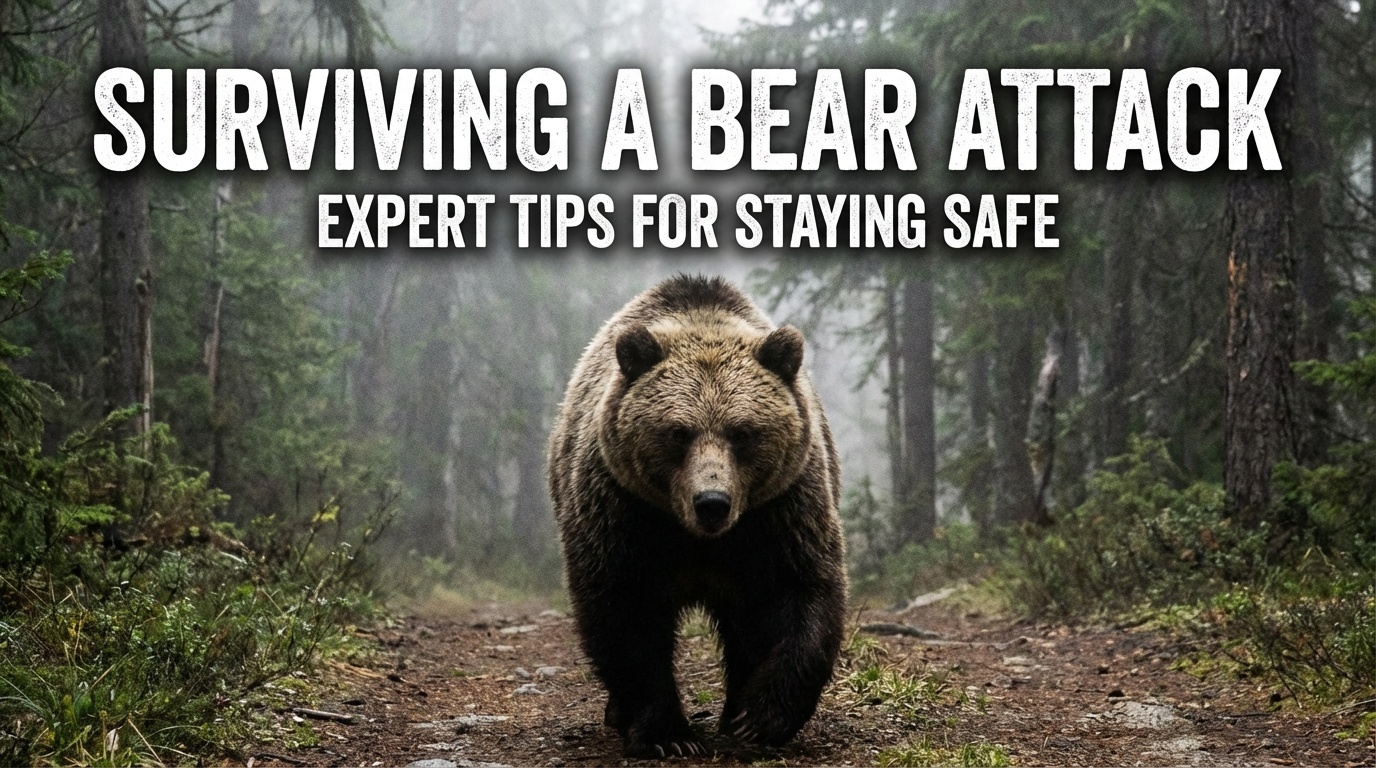
Quick identification can mean the difference between life and death. Black bears and grizzly bears require completely different responses during an attack. Grizzly bears, also known as brown bears, have a distinctive shoulder hump, a dish-shaped face, and rounded ears. Their claws are several inches long and are visible even from a distance.
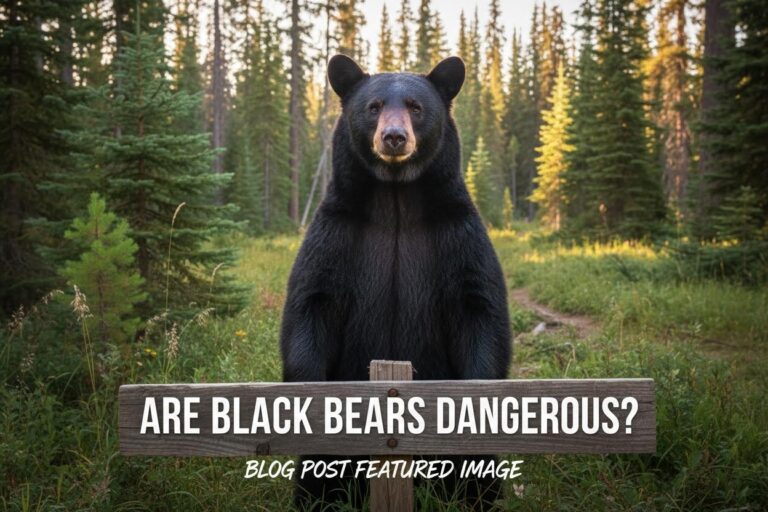
Black bears do not have a shoulder hump and have a straighter face with taller, more pointed ears. Don’t rely on color alone to identify them. Black bears can be black, cinnamon, or even blonde in some areas. Alaska is home to both types, while most states outside the northern Rockies only have black bears.
Size can be a clue, but it’s not always reliable in a crisis. A large male black bear can outweigh a small grizzly. Focus instead on the shoulder hump and facial shape. If you’re hiking in Glacier National Park, Yellowstone, or anywhere in Alaska, assume any bear could be a grizzly unless you can prove otherwise.
What Should You Do When You First See a Bear?
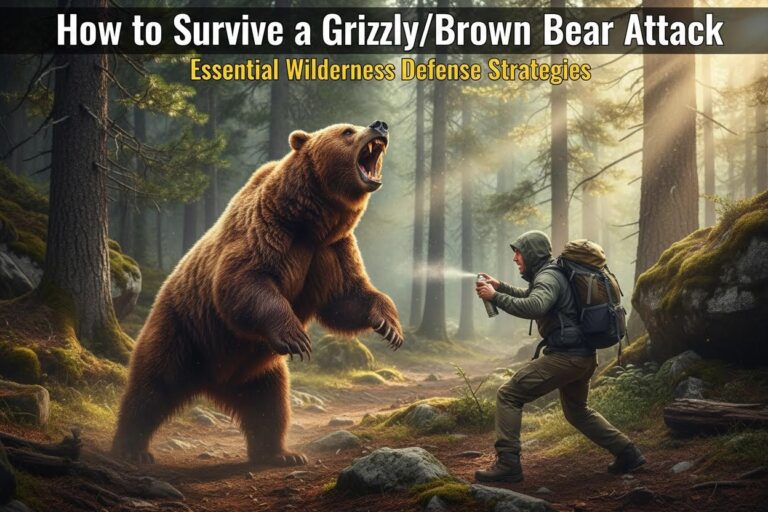
Stop immediately. Don’t scream. Most importantly, don’t run. Running triggers a chase response in bears, and you cannot outrun one. A grizzly can sprint at 35 miles per hour and cover 100 yards in less than ten seconds. Even an Olympic athlete would lose this race.
Stand your ground and calmly assess the situation. Bears often engage in what’s known as a “bluff charge.” They run toward you but then veer off or stop short at the last second. This intimidation tactic tests whether you are a threat. If you panic and run during a bluff charge, you might provoke a real attack.
Make yourself known by speaking in a calm, firm voice. This helps the bear recognize you as human rather than prey. Slowly wave your arms above your head to appear larger. Immediately pick up small children. They can trigger predatory instincts if they run or make high-pitched sounds like prey animals.
Back away slowly and sideways, keeping your eyes on the bear without making direct eye contact, which bears see as a challenge. Never place yourself between a mother and her cubs. Always give the bear an escape route. If a bear stands on its hind legs and waves its nose around, it is trying to identify you by scent, not preparing to attack.
Should You Use Bear Spray or Fight Back?
Bear spray is your best defense against a charging bear. Research published in the Journal of Wildlife Management shows that bear spray stops aggressive bears 92% of the time for grizzlies and 90% for black bears. In contrast, firearms lead to injuries in 50% of encounters, even when people are armed.
The Byrna pistol and similar pepper ball guns offer another non-lethal option, though they lack the proven track record of traditional bear spray canisters. These devices launch pepper projectiles that can deter a bear at range, but they require more accuracy under stress than a wide-dispersing spray cloud.

Quality bear spray canisters contain 1-2% capsaicin and related capsaicinoids, the compounds that give peppers their heat. This concentration is 100 times hotter than typical hot sauce and creates an irritating cloud that overwhelms a bear’s sensitive nose, eyes, and respiratory system. The spray reaches 30-40 feet and deploys in a wide fog pattern, making it easier to hit a moving target when your hands are shaking and adrenaline floods your system.
A tactical hiking stick provides psychological comfort but limited practical value against a charging bear weighing 300-800 pounds. You might deter a curious black bear by waving it aggressively, but it won’t stop a determined grizzly. Carry bear spray as your primary defense and keep it accessible, not buried in your backpack where it does you no good.
How Exactly Do You Deploy Bear Spray?
Keep your bear spray in a holster on your hip or chest where you can grab it in two seconds or less. Practice removing it and flipping off the safety clip at home. When a bear charges, you won’t have time to fumble.
Wait until the bear is within 30-40 feet before deploying. Spraying too early wastes your limited spray time. Most canisters discharge for only 7-9 seconds. Aim slightly downward to create a wall of spray the bear must run through. The spray doesn’t need to hit the bear directly; the cloud disperses and the bear charges into it.
Wind complicates deployment. Strong wind in your face reduces effective range and can blow spray back at you. Position yourself to spray at an angle if possible. Research shows wind interfered with accuracy in only 7% of bear spray incidents, and the spray still reached the bear in every case.
If spray blows back and hits you, resist rubbing your eyes. Flush them repeatedly with clear water and pat dry. The burning lasts 30-45 minutes but causes no permanent damage. If you get spray on your skin or clothing, wash with soap and water: it’s oil-based and won’t rinse with water alone.
What’s the Correct Response During a Grizzly Bear Attack?
If a grizzly makes contact during a defensive attack, play dead immediately. This isn’t the time for heroics. Leave your backpack on. It protects your spine and vital organs. Lie flat on your stomach with your legs spread apart to make it harder for the bear to flip you over. Cover the back of your head and neck with your hands and arms.
Stay absolutely still and silent. You’re convincing the bear you’re no longer a threat. Most defensive attacks last less than two minutes. The bear typically sniffs or paws at you, then leaves once satisfied you’re neutralized. Wait several minutes after the bear moves away before getting up. It may be watching from nearby.
If the attack persists beyond two minutes or the bear begins feeding behavior (biting at your torso or attempting to drag you), the attack has shifted from defensive to predatory. Now you must fight back with everything available. This scenario is rare but deadly serious.
How Should You React to a Black Bear Attack?
Never play dead with a black bear. Fight back immediately using any weapon available: rocks, sticks, your fists. Aim for the bear’s face, particularly its eyes and nose. Kick, punch, and make yourself as difficult a meal as possible.
Black bears are generally smaller and less aggressive than grizzlies, but they’re more likely to view humans as potential prey. A black bear that approaches you persistently, especially one that stalks you or shows interest in you at night in your campsite, considers you food. Scream, throw objects, and fight with absolute commitment.
The Pistelleto pepper launcher or similar devices give you standoff distance to deter an approaching black bear before it makes contact. These tools work best for curious bears that haven’t committed to an attack. Once physical contact begins, you need immediate, aggressive physical defense.
What Are the Warning Signs of a Predatory Bear?
Predatory bears behave differently from defensive ones. A defensive bear makes noise. It woofs, growls, and pops its jaws. It may make bluff charges. It’s telling you to leave its space. A predatory bear is eerily quiet. It follows you methodically, maintaining eye contact, showing focused interest in you as food.
Time of day matters. Most defensive encounters happen during daylight hours when you surprise a bear on the trail. Predatory approaches often occur at dawn, dusk, or night. A bear that circles your tent or repeatedly approaches your campsite despite deterrent efforts shows predatory behavior.
Both black bears and grizzly bears can exhibit predatory behavior, though it’s more common in black bears. A grizzly that’s starving or in poor condition may also stalk humans. Regardless of species, respond to predatory bears identically: make yourself appear as large and threatening as possible, back toward shelter if available, ready your bear spray, and prepare to fight if attacked.
Never run from a bear showing predatory interest. You’ll trigger an immediate chase, and the bear will catch you within seconds. Face the bear, speak firmly, and stand your ground while trying to reach a vehicle, building, or other secure location.
How Do You Prevent Bear Encounters in Bear Country?
Prevention beats reaction every time. Most bear attacks happen during surprise encounters at close range. Reducing surprise encounters dramatically improves your safety. Make noise consistently while hiking: talk to your companions, clap periodically, call out “hey bear!” when approaching blind corners or crossing rushing water that masks sound.
Travel in groups of three or more. National Park statistics show groups of three or more have never experienced a fatal bear attack in parks like Glacier or Yellowstone. Bears perceive larger groups as more threatening and avoid them.
Pay attention to bear signs on the trail. Fresh scat, torn-up logs, ripped-open stumps, and claw marks on trees indicate recent bear activity. Trails through berry patches or salmon streams put you in prime bear feeding areas during fall when bears enter hyperphagia—a feeding frenzy to prepare for winter hibernation.
Time your hikes for midday when bears are less active. Dawn and dusk see peak bear movement. If you must hike during these times in bear country, increase your vigilance and noise-making efforts.
What About Food Storage and Campsite Safety?
Never eat, cook, or store food in your tent. Bears can smell food from over a mile away, and a food-scented tent becomes a target. Cook and eat at least 100 yards downwind from your sleeping area. Use bear canisters or hang food in bear bags at least 12 feet off the ground and 6 feet from tree trunks.
Keep a clean campsite. Bears are attracted to toothpaste, deodorant, sunscreen, and even chapstick. Store all scented items with your food. Wash dishes immediately and scatter wash water far from camp. Never bring food containers (even empty ones) into your tent.
Some backcountry campsites in national parks provide bear lockers or food storage cables. Use them. The minor inconvenience of walking to a locker beats encountering a bear in your camp at 2 AM. If camping in the vast Canadian wilderness or Alaska backcountry without designated sites, create a triangle with your cooking area, food storage, and sleeping area each at separate points 100 yards apart.
What Should You Know About Specific Bear Species?
Polar bears require separate consideration. These apex predators in Arctic environments treat humans as potential prey more readily than other bear species. Research on polar bear encounters shows bear spray deterred attacking polar bears in 95% of documented incidents. However, polar bears in poor body condition—starving bears—may be stopped by nothing short of lethal force.
If you encounter a polar bear, treat it as predatory regardless of its behavior. Don’t approach, back away slowly, and prepare for defensive action. Polar bear territory includes remote areas of Alaska, northern Canada, and other Arctic regions where help is hours or days away. Anyone traveling in polar bear country should carry both bear spray and firearms, with proper training in both.
Brown bears in coastal Alaska feed heavily on salmon and can exceed 1,000 pounds. These massive bears are generally more tolerant of humans than interior grizzlies because they have abundant food sources. However, size brings its own dangers. A single swat from an Alaskan brown bear can break bones. Give these animals even more space than you would smaller grizzlies.
What About After an Attack—First Aid and Reporting?
If you suffer injuries from a bear attack, assess for arterial bleeding first. Apply direct pressure to any severe bleeding. Bear attacks typically cause lacerations, punctures, and fractures. Scalp wounds from bites bleed heavily but may look worse than they are.
Get to medical help immediately. Even seemingly minor wounds require professional attention because bear mouths carry bacteria that can cause serious infections. If alone in the backcountry, apply first aid as best you can, then activate your emergency beacon or satellite messenger.
Report every bear encounter to park rangers or local wildlife authorities, even if no attack occurred. Your information helps wildlife managers track bear behavior patterns and close areas where bears are becoming habituated to humans or showing aggressive tendencies. A couple was killed in a bear attack in Banff National Park after officials didn’t know an aggressive bear was in the area. Your report might prevent the next tragedy.
Document the encounter with photos if safe to do so. Note the time, exact location, bear description, and circumstances. This information proves invaluable for wildlife managers making decisions about bear management and public safety closures.
What Common Myths Should You Ignore?
Claire Cameron’s Governor General’s Literary Award-winning novel “The Bear” captured the terror of bear attacks through fiction, but don’t rely on movies or books for survival information. Bears can absolutely climb trees. Both grizzlies and black bears climb, though adult grizzlies do so less often due to their size. Climbing a tree might work if you can get 30+ feet up before the bear reaches you, but most people can’t climb fast enough.
Playing dead works only for defensive grizzly attacks. It’s the worst possible response to a black bear attack or any predatory attack. Understanding the difference between defensive and predatory behavior determines which strategy to employ.
Bear bells—those jingling bells hikers attach to backpacks—provide minimal benefit. Research shows they don’t carry far enough in most environments. Your voice works better. Call out regularly rather than relying on passive noise makers.
Don’t rely on dogs for protection unless you have a specifically trained Karelian bear dog. Regular pet dogs often provoke bears, then run back to their owners, leading the bear directly to you. Keep dogs leashed in bear country.
What Makes the Difference Between Life and Death?
Mental preparation matters as much as bear spray. Visualize potential encounters and your response before entering bear country. This mental rehearsing helps you react correctly when adrenaline and fear flood your system. Panic kills—calm, informed action saves lives.
Physical fitness improves your odds. You won’t outrun a bear, but you might reach a vehicle, cross a river, or maintain defensive fighting long enough for the bear to leave. A strong core helps you maintain the fetal position during a grizzly attack even as the bear tries to flip you.
Experience in bear country builds confidence without breeding complacency. First-time wilderness visitors often react poorly to encounters because everything feels overwhelming. The hundredth time you hike a trail in Glacier National Park, you’ve developed situational awareness that spots potential problems early.
Respect, not fear, should guide your relationship with bears. These magnificent animals deserve their space in wild places. With proper precautions, millions of people safely enjoy bear country every year. Bear attacks are rare—attacks with fatalities rarer still. You’re more likely to be struck by lightning than killed by a bear. But just as you avoid standing under trees in thunderstorms, you can take simple precautions that make bear encounters even less likely and survivable if they occur.
Essential Survival Points to Remember
- Identify the bear species immediately: grizzlies have a shoulder hump and dish-shaped face; black bears have a straight profile and no hump
- Never run from a bear: running triggers a chase response, and bears run 35+ mph; back away slowly while facing the bear
- Carry bear spray and keep it accessible: research shows 90-92% effectiveness against charging bears compared to 50% injury rate with firearms
- Make noise while hiking: most bear attacks happen during surprise encounters; consistent noise prevents surprise
- Play dead only for defensive grizzly attacks: lie on your stomach with hands protecting your neck; stay still until the bear leaves the area
- Fight back aggressively against black bears: aim for the face and eyes; never play dead with a black bear attack
- Fight back if any attack becomes predatory: if the bear feeds on you or the attack persists beyond 2 minutes, fight with everything available
- Travel in groups of three or more: larger groups have virtually no fatal bear attacks in national park records
- Store food properly: use bear canisters or hang food 12 feet up and 100 yards from your tent; bears smell food from over a mile away
- Know the warning signs: jaw popping, huffing, and paw stomping indicate a stressed bear preparing to charge; slowly back away
- Give bears an escape route: never position yourself between a mother and cubs or block the bear’s path away from you
- Wait before standing after an attack: a bear may be watching nearby; wait several minutes to ensure it has left the area before moving
- Report all encounters to authorities: your information helps wildlife managers track bear behavior and prevent future attacks
- Understand bluff charges: bears often charge and turn away at the last second; don’t run, or you’ll trigger a real attack
- Learn basic first aid for wilderness trauma: bear attacks cause lacerations and fractures; know how to control bleeding and stabilize injuries until rescue arrives
The wilderness is home to bears. When you enter their territory, you take on some risks to experience wild places that few people see. You can manage this risk by understanding bear behavior, carrying proper deterrents like bear spray or Byrna pepper launchers, staying aware of your surroundings, and knowing how to handle encounters. Every year, many hikers, hunters, and campers share the woods with bears and come home with amazing wildlife sighting stories. With the information in this guide, you are ready to join them.
About the Author